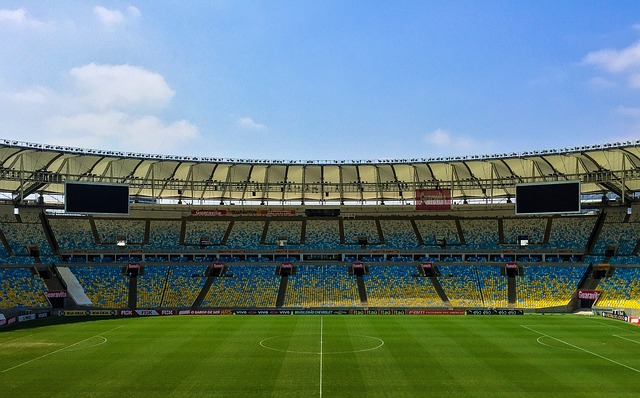
The first half of the Premier League clash between Ipswich and Crystal Palace at Portman Road Stadium was a tightly contested affair, with both teams showcasing their defensive prowess and tactical discipline. Despite Ipswich's attempts to control the game through possession, Crystal Palace demonstrated a more clinical edge in front of goal, creating more significant chances. The atmosphere in the stadium was electric, with fans from both sides providing vociferous support, adding to the high stakes of this round 14 encounter. The match statistics reflect a balanced first half, with Crystal Palace slightly edging possession and demonstrating more efficiency in attack with higher expected goals. Both teams were committed to breaking the deadlock, setting the stage for an intriguing second half.
First Half Stats Chart
The second half saw a shift in momentum as Crystal Palace began to assert dominance, particularly in the attacking third. This period of the match was characterized by Crystal Palace's increased ball possession and more aggressive forward play, which eventually paid dividends. Jean-Philippe Mateta became the hero for the visitors, scoring the only goal of the match, a testament to Crystal Palace's persistence and tactical adjustments post-half-time. The goal was a culmination of a well-orchestrated move, highlighting Crystal Palace's attacking prowess. Ipswich, despite their efforts to salvage something from the game, were unable to find the back of the net, with their attacks often breaking down in the final third. The fans' response to the goal and subsequent plays underscored the passion and intensity typical of Premier League matches, with the away supporters particularly jubilant at the final whistle.
Second Half Stats Chart
In a match that was a tale of two halves, Crystal Palace secured a crucial 1-0 victory over Ipswich, with Jean-Philippe Mateta's second-half goal proving to be the difference between the two sides. The game was a showcase of tactical discipline, with both managers employing strategies that reflected their teams' strengths and weaknesses. The match statistics reveal Crystal Palace's efficiency in front of goal and their ability to create more significant scoring opportunities, a key factor in their victory. Ipswich, on the other hand, will rue their missed chances and the inability to convert possession into goals. This result has implications for both teams, with Crystal Palace climbing up the Premier League table and Ipswich needing to regroup and bounce back in their subsequent fixtures.
Final Stats Chart
The goal by Jean-Philippe Mateta was a masterclass in precision and teamwork. The buildup involved a series of passes that cut through Ipswich's defense, with Eberechi Eze providing the assist. Mateta's execution was flawless, finding the net with a left-footed shot that left the goalkeeper with no chance. The immediate aftermath saw jubilant celebrations from Crystal Palace players and fans, underlining the goal's significance in their campaign.
The match saw Ipswich and Crystal Palace players receive three and three yellow cards, respectively. These incidents were mostly for fouls, reflecting the match's intensity. Notably, Ismaïla Sarr's late yellow card for a foul underscored the competitive spirit that ran throughout the game.
Substitutions played a pivotal role in the match's dynamics, with both teams making strategic changes. Crystal Palace's introduction of Ismaïla Sarr and Eberechi Eze added fresh legs and creativity, which was evident in the buildup to the goal. Ipswich's substitutions, including the introduction of L. Delap, aimed to inject more attacking impetus, although it ultimately did not lead to a goal.
Jean-Philippe Mateta's goal-scoring prowess was the highlight, with his ability to convert chances proving decisive. Eberechi Eze also made a significant impact off the bench, providing the assist for the winning goal. On the Ipswich side, their goalkeeper's saves kept them in the game, demonstrating his value to the team.
The heatmaps provide insight into the strategic formations and movements of both teams. Ipswich's heatmap shows a concentration of activity in their own half and the middle of the pitch, indicating their possession-based approach. Crystal Palace's heatmap, on the other hand, shows more activity in the attacking third, highlighting their direct approach and focus on creating scoring opportunities.
Ipswich Heatmap
Crystal Palace Heatmap
Craig Pawson, with a history of over 430 games, including 1606 yellow cards and 39 red cards, managed the game with a consistent application of the rules. His decision-making was crucial in maintaining the flow of the game, with the yellow cards issued reflecting his control over the match.
Portman Road Stadium, with a capacity of 29,673, provided a vibrant backdrop to this Premier League encounter. The stadium's atmosphere, fueled by passionate supporters, added to the intensity and spectacle of the match, demonstrating the unique charm of football in Ipswich.
Kieran McKenna and Oliver Glasner brought their distinct coaching philosophies to this match, with both looking to outwit the other tactically. Glasner's adjustments at halftime proved to be a game-changer, showcasing his tactical acumen and ability to read the game.
The 1-0 victory for Crystal Palace over Ipswich was a testament to their strategic planning and execution. This result has significant implications for their Premier League aspirations, highlighting the importance of every match in this fiercely competitive league.
In a closely contested match that saw Crystal Palace edge out Ipswich with a 1-0 victory, both teams displayed tactical nous and individual brilliance. The match outcome was decided by a solitary goal, reflecting the tight nature of the contest. This analysis delves into the lineups, formations, and player performances that defined the encounter.
Ipswich adopted a 4-2-3-1 formation, a versatile setup allowing for both defensive solidity and attacking fluidity. The lineup was as follows:
Ipswich Formation - 4-2-3-1
Missing Players due to various reasons were George Hirst (F), Chiedozie Ogbene (M), and Axel Tuanzebe (D).
The formation allowed Ipswich to control the midfield while also providing width through their full-backs and wingers. Morsy, as the captain and central midfielder, had a pivotal role, balancing defensive duties with initiating attacks.
Crystal Palace lined up in a 3-4-2-1 formation, emphasizing defense and midfield control, with the ability to transition quickly into attack. Their lineup included:
Crystal Palace Formation - 3-4-2-1
Absentees included Daichi Kamada (M), Chadi Riad (D), Matheus França (F), Adam Wharton (M), and Rob Holding (D).
Crystal Palace's 3-4-2-1 setup provided them with a compact defense and a midfield capable of both retaining possession and launching counter-attacks. The lone striker, supported by two attacking midfielders, was tasked with converting the chances.
Ipswich's goalkeeper, Arijanet Murić, showcased his skills with a total of 45 passes, a testament to his distribution ability, along with 2 saves indicating his contribution to keeping the scoreline narrow. In defense, Harry Clarke stood out with a total of 61 passes and a rating of 7.4, reflecting his defensive prowess and ability to play out from the back. Sam Morsy, the midfield engine, had 63 passes, highlighting his role in circulating the ball and dictating the play's tempo.
For Crystal Palace, Dean Henderson in goal made crucial saves and had a goals prevented rating of 0.5387, underlining his impact on the match's outcome. Jean-Philippe Mateta, the match-winner, had a stellar performance with an expected goals (xG) of 0.6061, capitalizing on his big chance to score the decisive goal. Eberechi Eze, with a goal assist and an xG of 0.1726, was instrumental in creating opportunities and unsettling the Ipswich defense.
This tactical and statistical breakdown reveals the nuances of a match that was tightly contested in midfield but ultimately decided by clinical finishing. Both teams showcased their strategic approaches through their formations, with Crystal Palace's efficient use of their chances being the difference on the day.
Final Stats Chart
In the aftermath of the latest Premier League clash, the standings have seen some interesting shifts, particularly for the teams involved in the recent match. The game, which saw Crystal Palace secure a victory over Ipswich with a scoreline of 1-0, had implications for both teams in terms of their league positions and points tally. As of Round 14, Crystal Palace, with their win, have accumulated 12 points from 14 matches, placing them in the 16th position on the table. This victory could be pivotal for Palace as they aim to distance themselves from the relegation zone. On the other hand, Ipswich Town finds themselves in a precarious situation, sitting at the 19th position with 9 points from 14 matches. This position puts them deep into the relegation battle, making every upcoming game a must-win to secure their stay in the Premier League.
The top of the table presents a competitive picture with Liverpool leading the pack. They have established themselves as the frontrunners with 34 points from 13 games, showcasing their title credentials early in the season. Following closely are Arsenal and Chelsea, both locked at 25 points from 13 matches but separated by goal difference, holding the 2nd and 3rd spots respectively. Brighton & Hove Albion, a team that has been performing beyond expectations this season, rounds off the top four with 23 points from 13 matches. Their position is a testament to their solid performances and could potentially see them securing a Champions League spot if they maintain their form.
At the other end of the table, the battle to avoid relegation is heating up. Wolverhampton Wanderers are currently in the 18th position with 9 points from 13 games, sitting in the relegation zone alongside Ipswich Town and Southampton, who are at the bottom with 5 points from 13 matches. These positions highlight the competitive nature of the league and the thin margins between survival and relegation.
As the Premier League season progresses, the standings provide a clear picture of the battles at both ends of the table. For teams like Crystal Palace and Ipswich, every point becomes crucial in their fight for survival, while the top four clubs continue to jostle for the coveted Champions League positions. The dynamics of the league ensure that no team can rest on their laurels, making every match a critical encounter in the quest for glory or survival.
Currently, there is no information available regarding an ongoing cup competition involving the teams discussed. Therefore, an analysis of such a competition and the positions or prospects of the teams involved cannot be provided at this time. The focus remains squarely on the league performances and standings as teams navigate through the challenges of the Premier League season.