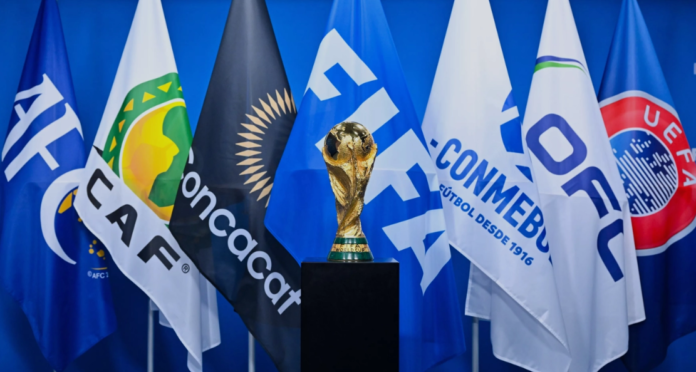
2030 FIFA World Cup Bid: A Comprehensive Analysis
FIFA is poised to formally ratify a groundbreaking multinational bid for the 2030 World Cup, presenting an unprecedented collaborative approach to hosting the international football tournament. The proposed bid represents a unique convergence of geographical and historical significance, spanning three continents and commemorating the centenary of the World Cup.
Bid Composition and Scope
The 2030 World Cup bid distinguishes itself through its multinational framework, involving six countries across South America and Europe:
- Primary hosts: Spain, Portugal, and Morocco
- Centenary match hosts: Argentina, Uruguay, and Paraguay
Tournament Specifications
- Dates: Preliminarily scheduled from June 13 to July 21, 2030
- Format: 48-team tournament, a significant expansion from the inaugural 1930 event
- Total Venues: 20 stadiums across 17 cities
Historical and Symbolic Significance
The bid carries profound symbolic weight, particularly through its centenary commemoration. The first three matches will be strategically located in the tournament's birthplace, with key venues including:
- Estadio Centenario (Montevideo, Uruguay): Site of the first World Cup final, hosting the opening match
- Estadio Monumental (Buenos Aires, Argentina): Second centenary match venue
- New National Stadium (Asunción, Paraguay): Third initial match location
Host Country Contributions
Spain
- Previous World Cup host (1982)
- Proposed major venues:
Santiago Bernabéu Stadium (80,000 capacity)Metropolitano Stadium (70,460 capacity)Camp Nou (potentially hosting the final, 105,000 capacity)
- Santiago Bernabéu Stadium (80,000 capacity)
- Metropolitano Stadium (70,460 capacity)
- Camp Nou (potentially hosting the final, 105,000 capacity)
Portugal
- First-time World Cup host
- Three proposed venues, primarily in Lisbon and Porto
Morocco
- Second African host nation post-2010
- Six proposed venues
- Flagship Hassan II Stadium in Casablanca (115,000 capacity)
Regional Representation
The tournament promises significant representation for Africa, with:
- Nine automatic qualifier spots
- One additional potential qualification through playoffs
Strategic Implications
This multinational approach represents an innovative model for international sporting events, demonstrating:
- Geographical collaboration
- Historical commemoration
- Expanded global representation
Voting Process
While the bid appears to be a formality, FIFA will conduct a virtual congress to officially confirm the hosting arrangements, with simultaneous voting for the 2030 and 2034 tournaments.
The 2030 World Cup bid symbolizes more than a sporting event—it is a testament to international cooperation, historical celebration, and the global unifying power of football.