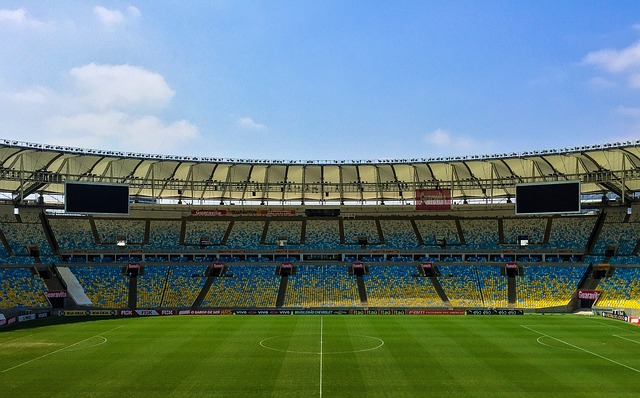
In a pulsating UEFA Champions League match filled with drama, strategy, and moments of brilliance, Real Madrid edged out Atalanta with a 3-2 victory at the Gewiss Stadium in Bergamo, Italy. This game was a testament to the high stakes of European football, showcasing both teams' relentless pursuit of victory and setting a benchmark for competitive spirit and tactical prowess.
The first half of the match was a showcase of balanced football, with both teams demonstrating why they are considered among the elite in European football. The game kicked off with both teams eager to establish dominance, leading to a back-and-forth contest that kept fans on the edge of their seats. Real Madrid and Atalanta displayed tactical discipline, creating chances and defending robustly. The atmosphere in the Gewiss Stadium was electrifying, with the home crowd pushing Atalanta to match Real Madrid's intensity.
Statistically, the first half was as close as the scoreline suggests. Ball possession was evenly split at 50% each, underscoring the tug-of-war between the two sides. The expected goals metric slightly favored Atalanta with 1.23 compared to Real Madrid's 0.88, indicating a slight edge in creating quality chances. However, Real Madrid managed to convert one of their big chances, while Atalanta also capitalized on a critical opportunity. The total shots tally stood at 8 for Atalanta and 6 for Real Madrid, further illustrating the closely contested nature of the match.
First Half Stats Chart
The second half saw Real Madrid ramp up their efforts, taking control of the game with a 61% ball possession rate, which was a significant increase from the first half. This shift in momentum was pivotal, as it allowed Real Madrid to apply continuous pressure on Atalanta's defense, leading to two more goals. Atalanta, undeterred, fought back valiantly, creating big chances and testing Real Madrid's goalkeeper, who was forced to make crucial saves.
The atmosphere within Gewiss Stadium reached fever pitch as both sets of fans urged their teams forward. The tactical adjustments made by both managers became evident, with Real Madrid's increased focus on attacking through the wings, while Atalanta looked to exploit the counter-attack. These strategic moves added another layer of intrigue to an already captivating match.
Second Half Stats Chart
This match was a classic UEFA Champions League encounter, filled with the intensity and quality expected from Europe's premier club competition. Real Madrid's victory was hard-earned, with Atalanta pushing them to the limit. The final statistics reflect the competitive nature of the match: Real Madrid had a 56% ball possession rate and generated an expected goals figure of 2.94, showcasing their attacking intent. Atalanta, with a 44% possession rate and 1.57 expected goals, demonstrated their efficiency and threat on the break.
The game was a tactical chess match, with both managers, Gian Piero Gasperini and Carlo Ancelotti, making significant adjustments to influence the outcome. The player heatmaps and statistical charts provide a deeper insight into the game's dynamics, revealing the areas of the pitch that were most contested and the strategies employed by both teams.
Atalanta Heatmap
Real Madrid Heatmap
Final Stats Chart
The game was punctuated by moments of high drama, including goals, penalties, and dramatic saves. Atalanta's penalty in the 45+2 minute, expertly converted by C. De Ketelaere, was a critical moment, bringing the home team back into the game. Real Madrid's response was swift, with goals from Vinícius Jr. at the 56th minute and J. Bellingham at the 59th minute, showcasing their lethal counter-attacking prowess. A. Lookman's goal for Atalanta in the 65th minute set up a tense finale, but Real Madrid's defense held firm.
The match saw its fair share of disciplinary actions, with yellow cards issued to key players for both teams, adding to the competitive tension on the pitch. These incidents were a testament to the high stakes of the match and the commitment of the players to secure a victory for their teams.
This UEFA Champions League encounter between Atalanta and Real Madrid was a thrilling advertisement for football, highlighting the strategic depth, individual talent, and collective effort that define the beautiful game. Real Madrid's tactical adjustments and clinical finishing were the difference in a tightly contested match. Atalanta, while not securing the result they desired, demonstrated resilience and tactical acumen that will serve them well in future competitions. The match was a reminder of the fine margins that often decide the outcome in Europe's elite football competition.
Atalanta, hailing from Italy, opted for a 3-4-1-2 formation in this thrilling match, showcasing a blend of defensive solidity and attacking prowess. This formation, as depicted in their lineup, leverages wide midfielders to support both defense and attack, providing flexibility and depth on the pitch.
Atalanta Formation - 3-4-1-2
Starting XI:
Substitutes:
Missing Players:
Real Madrid from Spain presented a 4-2-3-1 formation, a versatile and balanced setup that offers strength in midfield and flexibility in attack.
Real Madrid Formation - 4-2-3-1
Starting XI:
Substitutes:
Missing Players:
The match statistics provide insights into the intense battle between Atalanta and Real Madrid. Atalanta's approach, with a focus on midfield control and attacking through the flanks, is evident from the player stats, with high ratings for midfielders and forwards indicating their attacking intent. Real Madrid's strategy, leveraging a solid midfield and quick transitions to attack, was successful, as shown by the high ratings for their midfielders and forwards, particularly Bellingham and Vinícius Júnior, who were instrumental in their victory.
The formations chosen by both teams underscored their tactical approaches and objectives. Atalanta's 3-4-1-2 was designed to exploit the width of the pitch and create scoring opportunities, while Real Madrid's 4-2-3-1 balanced defensive stability with attacking versatility. The absence of key players on both sides due to injuries or other reasons might have influenced the match's outcome, highlighting the depth and adaptability of the squads.
In a thrilling encounter that saw Real Madrid secure a victory over Atalanta with a scoreline of 3-2, the UEFA Champions League's current standings reflect the intense competition among Europe's elite clubs. This match, marking the 6th round of the tournament, showcased the talent and determination of both teams. Real Madrid, hailing from Spain, and Atalanta, representing Italy, demonstrated why they are considered top contenders in this prestigious competition. The match took place at the Gewiss Stadium in Bergamo, Italy, which boasts a capacity of 26,393, providing a vibrant atmosphere for this high-stakes game.
Real Madrid's win brings their total to 9 points from 6 matches, placing them in the 17th position in the standings. Despite this victory, Real Madrid's journey in the UEFA Champions League has been a roller coaster, with 3 wins and 3 losses, showcasing their inconsistent performance this season. On the other hand, Atalanta, despite a valiant effort in their latest match, finds themselves in the 7th position with 11 points from 6 matches. Their record of 3 wins, 1 loss, and 2 draws indicates a solid performance, highlighting their competitive edge and resilience throughout the tournament.
The top of the UEFA Champions League standings is dominated by Liverpool, securing the 1st position with an impeccable record of 6 wins from 6 matches, amassing 18 points. Their +12 score difference is a testament to their offensive prowess and defensive solidity. Following closely is Inter, in the 2nd position, with 14 points from 6 matches, including 4 wins and 2 draws, boasting a +7 score difference. Stade Brestois claims the 3rd spot with 13 points, their 4 wins, 1 loss, and 1 draw reflecting a commendable campaign. Barcelona, not far behind, occupies the 4th position with 12 points from 5 matches, their remarkable +13 score difference underscoring their lethal attacking capabilities.
Conversely, the bottom of the standings paints a starkly different picture. ŠK Slovan Bratislava languishes in the 35th position, having failed to secure any points from 5 matches, with a -14 score difference highlighting their struggles. Young Boys are in the 36th and last position, also without any points from 5 matches, and a -15 score difference, indicating significant challenges both in offense and defense. Just above them, Bologna and RB Leipzig are tied with 1 point each from 5 and 6 matches, respectively, showcasing the competitive nature of the tournament and the fine margins that often decide the outcomes.
As the UEFA Champions League progresses, the standings provide a clear picture of the teams' performances, their strengths, and areas for improvement. Real Madrid and Atalanta, despite their current positions, have shown they possess the quality and determination to compete at the highest level. The top teams, including Liverpool and Inter, continue to set the pace, while those at the bottom face the daunting task of turning their fortunes around in one of football's most unforgiving arenas. The journey to the knockout stages remains wide open, with every match playing a crucial role in shaping the final standings.