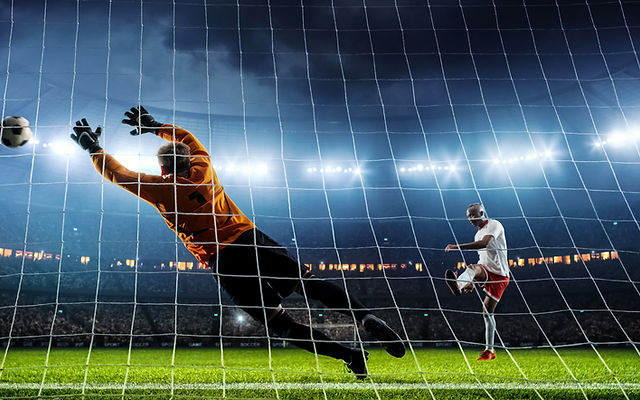
In the heart of Manchester, the Etihad Stadium became the epicenter of football drama as Manchester City hosted Manchester United in a match that had fans on the edge of their seats. The game, marked by intense rivalry, strategic gameplay, and unexpected turnarounds, ended with a surprising 2-1 victory for the visitors, altering the dynamics of the Premier League standings.
The first half set the tone with Manchester City taking control, demonstrating superior ball possession and an aggressive attacking strategy. The home team managed to dominate the game early on, with a ball possession rate of 53% compared to Manchester United's 47%. This control was not just numerical but also qualitative, as City executed 261 passes to United's 236, showcasing their ability to maintain pressure and create opportunities.
The expected goals (xG) metric further highlights City's dominance, with a 0.69 xG indicating their effectiveness in creating scoring opportunities, significantly higher than United's 0.12. This offensive push was rewarded when Joško Gvardiol broke the deadlock with a powerful header, marking the game's first goal and putting City ahead.
The atmosphere in the Etihad Stadium was electric, with fans cheering every move. Despite City's dominance, the game remained open, thanks to United's resilient defense and strategic counterattacks. The stats chart for the first half paints a clear picture of City's upper hand in the game's early stages.
First Half Stats Chart
As the second half unfolded, Manchester United displayed remarkable resilience and tactical acumen. The visitors adjusted their strategy, focusing on exploiting City's defensive gaps and utilizing their chances more efficiently. This shift in momentum was evident as United managed to overturn the game's course, scoring two unanswered goals to secure a memorable victory.
Manchester United's comeback was a testament to their fighting spirit and strategic adjustments made by manager Rúben Amorim. The away team's ability to remain composed under pressure and capitalize on their opportunities underscored the unpredictable nature of football, especially in high-stakes derby matches.
The statistical highlights of the second half reveal a more balanced game, with United improving their offensive play and effectively neutralizing City's threats. Despite City's continued dominance in ball possession and passes, United's strategic focus on efficient attacks paid off, leading to their victory.
Final Stats Chart
The heatmaps provide a fascinating insight into both teams' tactical setups and adjustments throughout the match. Manchester City's heatmap shows a concentrated effort in attacking down the flanks, particularly on the left side, indicating a strategic attempt to exploit United's defensive vulnerabilities.
Man City Heatmap
Manchester United's heatmap, on the other hand, illustrates a more balanced approach, with significant activity in the midfield and defensive areas, highlighting their focus on maintaining a solid defensive structure while exploiting counter-attacking opportunities.
Man Utd Heatmap
Substitutions played a crucial role in the match's dynamics, with both managers making strategic changes to influence the game's outcome. Manchester United's decision to bring in M. Mount early in the game due to an injury showcased their depth and adaptability, contributing to their second-half resurgence.
The Manchester derby lived up to its billing, providing fans with an enthralling encounter filled with tactical intrigue, dramatic turnarounds, and moments of individual brilliance. Manchester United's comeback victory over Manchester City not only secured crucial points but also sent a strong message to their rivals in the Premier League.
As both teams continue their campaigns, this match will undoubtedly be remembered as a pivotal moment in the season, highlighting the unpredictable and exhilarating nature of football.
Manchester City, under the guidance of Pep Guardiola, opted for a 4-1-4-1 formation in their recent clash against Manchester United. This setup is known for its flexibility, allowing for both defensive solidity and attacking fluidity. The decision to employ this formation was evident in their ability to control the midfield while also providing width through their full-backs.
Man City Formation - 4-1-4-1
The starting lineup for Manchester City was as follows:
Missing players due to various reasons included the likes of Rico Lewis, Nathan Aké, Oscar Bobb, and Rodri, whose absence was felt in the team's overall depth and options off the bench.
Manchester United, managed by Erik ten Hag, deployed a 3-4-3 formation, focusing on width and pressing. This approach was designed to exploit the spaces behind City's attacking full-backs and utilize the pace and creativity of their front three.
Man Utd Formation - 3-4-3
The starting lineup for Manchester United was:
United's lineup was without Luke Shaw and Jonny Evans, both of whom could have added more depth and experience to the squad.
The game was a showcase of tactical nous from both sides, with City dominating possession and United exploiting the counter-attack. City's Joško Gvardiol was a standout performer, not just for his goal but for his overall contribution to the team's defensive and offensive plays. United's André Onana, despite conceding a goal, made crucial saves that kept United in the game.
The midfield battle was intense, with Kevin De Bruyne and Bruno Fernandes leading their respective teams. De Bruyne's creativity was evident with his expected assists (xA) of 0.0280058, although his team couldn't capitalize on the chances created. Fernandes, on the other hand, showcased his leadership and vision, attempting to unlock City's defense with penetrating passes and crosses.
In conclusion, the match was a tactical masterclass from both managers, with the players executing their roles effectively. The absence of key players on both sides due to injuries and suspensions might have affected the depth and options available, but the intensity and quality of the game were undiminished.
In a highly anticipated Premier League clash that ended with Manchester United securing a victory over Manchester City with a scoreline of 2-1, the standings of both teams involved tell a broader story of their season so far. Manchester City, playing at their home ground, the Etihad Stadium, which boasts a capacity of 53,400, couldn't capitalize on their home advantage, despite taking the lead in the first half. The match, part of the 16th round, saw Manchester United stage a comeback in the second half, scoring two goals to claim all three points.
Manchester City, before this match, were positioned 4th in the league with 30 points from 16 matches. They had secured 9 wins, 3 draws, and suffered 4 losses, scoring 28 goals while conceding 21, which gave them a goal difference of +7. This position had them in a Champions League qualifying spot, but this loss could potentially jeopardize their standing, depending on other results around the league.
Manchester United, on the other hand, were in the 13th position before this fixture, having accumulated 19 points from 16 matches. Their record consisted of 5 wins, 4 draws, and 7 losses, with a goal tally of 19 scored and 19 conceded, leaving them with a neutral goal difference. This victory, however, serves as a significant boost, not just for their points tally but also for their morale, as they look to climb up the table.
The top of the Premier League table is led by Liverpool, who have been in outstanding form, holding the 1st position with 36 points from 15 matches. They have won 11 games, drawn 3, and lost just once, scoring 31 goals and conceding 13, which gives them a goal difference of +18. Following Liverpool, Chelsea occupies the 2nd spot with 31 points from 15 matches, having scored 35 goals and conceded 18. Arsenal is in 3rd place with 30 points from 16 matches, with 29 goals scored and 15 conceded.
At the other end of the table, the battle to avoid relegation is equally intense. Ipswich Town sits in the 18th position, in the relegation zone, with 12 points from 16 matches. Wolverhampton is 19th, having gathered 9 points from 16 games, and Southampton is at the bottom, 20th, with 5 points from 15 matches. These positions highlight the competitive nature of the Premier League, where every point can significantly alter the course of the season for any team.
This match between Manchester City and Manchester United not only adds another chapter to their storied rivalry but also impacts their positions and points in the Premier League standings. As the season progresses, both teams will be keen to secure as many points as possible to achieve their respective goals, whether it's fighting for the title, securing European football, or battling relegation. The outcome of this game, therefore, holds more significance than just bragging rights in Manchester, affecting the broader dynamics of the Premier League standings.