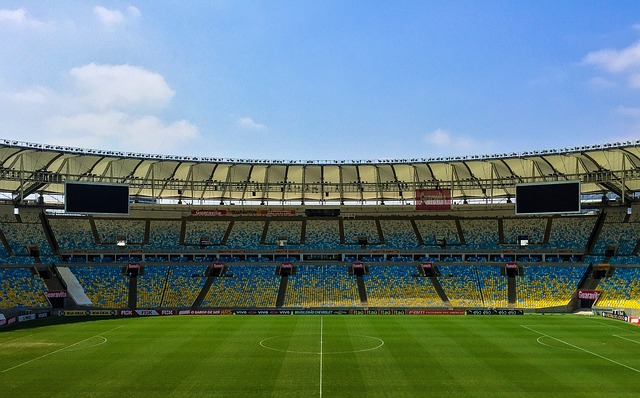
The Premier League clash between Aston Villa and Manchester City was a spectacle that lived up to the pre-match hype, delivering moments of brilliance, tactical nuance, and sheer footballing pleasure. The match, held at the historic Villa Park in Birmingham, saw Aston Villa clinch a narrow 2-1 victory over the reigning champions, Manchester City, in a game that had everything from strategic gameplay to heart-stopping moments. This encounter was not just a test of skill but also of mental fortitude, as both teams showcased their credentials in a tightly contested affair.
The first half set the tone for what was to become a memorable match. Aston Villa, despite having just 34% ball possession, managed to take the lead and create significant chances. The home team's strategy to capitalize on counter-attacks and set pieces was evident, as they registered two big chances, converting one into a goal. The atmosphere in Villa Park was electrifying, with the fans rallying behind their team, pushing them to seize every opportunity. The goal, a result of a well-orchestrated move finished by Jhon Durán, was a testament to Villa's clinical approach in front of the goal. On the other hand, Manchester City, dominating the ball with 66% possession, struggled to find their rhythm and break down a resilient Villa defense. The stats from the first half highlighted a tactical battle where efficiency trumped possession.
First Half Stats Chart
The second half saw Manchester City intensify their efforts, pushing for an equalizer and eventually finding it. However, Aston Villa's determination was on full display as they restored their lead, showcasing their ability to withstand pressure and hit on the break. The match's tempo increased, with both teams creating more chances and the goalkeepers being called into action on several occasions. The fans' response to the unfolding drama added to the intensity, with each side urging their team forward. Despite City's efforts to salvage a point, Villa's defense held firm, securing a victory that would be remembered for its strategic depth and sheer willpower.
Final Stats Chart
One of the match's key moments was Jhon Durán's goal in the 16th minute, a masterclass in precision and teamwork. The buildup involved a series of passes that cut through the City defense, with Morgan Rogers providing the assist that Durán converted with a left-footed shot. This goal not only demonstrated Villa's attacking prowess but also their ability to exploit the spaces left by City's aggressive play. Additionally, the match saw its fair share of disciplinary actions, with Matty Cash receiving a yellow card for a foul, adding to the game's intensity and competitive edge.
Aston Villa Heatmap
Man City Heatmap
The heatmaps provide a fascinating insight into the match's tactical dimensions. Aston Villa's heatmap shows concentrated activity in their defensive half and effective counter-attacks, highlighting their disciplined defensive setup and quick transitions. Manchester City's heatmap, on the other hand, illustrates their dominance in possession and territorial advantage, with significant activity in the attacking third, although they struggled to convert this into goals.
Villa Park, with a capacity of 42,640, proved to be a fortress for Aston Villa. The stadium's atmosphere was electrifying, with fans providing the 12th man effect, pushing their team over the line in a tightly contested match. The historical venue added to the match's prestige, serving as a perfect backdrop for a clash of this magnitude.
Unai Emery and Pep Guardiola, two of football's most respected minds, went head-to-head in this tactical battle. Emery's strategy to absorb pressure and exploit City's high defensive line paid dividends, while Guardiola's possession-based approach showcased City's technical superiority, although it wasn't enough to secure a win. This match was a testament to their tactical acumen and adaptability.
Aston Villa's 2-1 win over Manchester City was a showcase of tactical brilliance, resilience, and the sheer unpredictability of football. The match had everything from strategic gameplay, pivotal moments, to a charged atmosphere, making it a memorable encounter in the Premier League season. As both teams move forward, the implications of this result will resonate, with Villa gaining momentum and City reflecting on missed opportunities.
In an electrifying match that ended with Aston Villa clinching a 2-1 victory over Manchester City, both teams showcased strategic formations and player contributions that defined the game's outcome. This analysis delves into the lineups, formations, and player statistics that played pivotal roles in this Premier League clash.
Aston Villa, under the guidance of their manager, opted for a 4-2-3-1 formation, a versatile setup allowing for both defensive solidity and attacking fluidity. The starting lineup for Aston Villa was as follows:
Aston Villa Formation - 4-2-3-1
The choice of a 4-2-3-1 formation allowed Aston Villa to control the midfield with a blend of defensive grit and creative playmaking. This was evident in the performances of McGinn and Tielemans, who both played crucial roles in linking play and maintaining possession. Emiliano Martínez, with a rating of 7.1, made three saves, highlighting his importance in goal. Jhon Durán, the forward, made a significant impact by scoring one of the goals, showcasing his prowess in the final third.
Manchester City also mirrored Aston Villa's 4-2-3-1 formation, focusing on ball control and high pressing. Their starting lineup was:
Man City Formation - 4-2-3-1
City's lineup showcased their depth and quality, with Jack Grealish leading the midfield with a rating of 7.6, creating numerous chances and driving forward with intent. However, despite dominating possession and creating opportunities, City's frontline, led by Erling Haaland, struggled to convert chances into goals, a testament to Aston Villa's defensive resilience.
Both teams had notable absences that could have influenced the game's dynamics. Aston Villa was without Jacob Ramsey, a midfielder from England, due to injury. Manchester City missed key players like Oscar Bobb, Rodri, and Rúben Dias, all sidelined for various reasons. The absence of these players, especially City's defensive stalwart Dias and midfield maestro Rodri, might have contributed to their inability to secure a win.
The game's statistics offer insights into the performances of both teams. Aston Villa's Lucas Digne and Youri Tielemans were instrumental in creating chances, with Digne providing an assist and Tielemans contributing significantly in the midfield. For City, Grealish was a constant threat, and his efforts were nearly rewarded but for the solid defensive work of Aston Villa.
In conclusion, Aston Villa's strategic use of the 4-2-3-1 formation, combined with key performances from players like Emiliano Martínez and Jhon Durán, secured them a victory against a strong Manchester City side. City, despite missing some key players and facing a resilient Villa defense, showed their quality and depth, promising an exciting rematch in future encounters.
In a thrilling encounter that saw Aston Villa clinch a victory with a 2-1 scoreline against Manchester City, the Premier League standings have been significantly impacted. This match, marking the 17th round of the season, not only showcased the prowess of both teams but also altered their positions in the league table.
Aston Villa, playing at their home ground, Villa Park, in Birmingham, demonstrated resilience and strategic gameplay to secure this win. With this victory, Aston Villa has now played 17 matches in total, winning 8, drawing 4, and losing 5, bringing their points tally to 28. This performance places them at the 5th position in the Premier League standings. Their goal difference stands at zero, with 25 goals scored and an equal number conceded, reflecting a balanced offensive and defensive record.
Manchester City, on the other hand, faced a setback with this loss. Their current record shows 17 matches played, with 8 wins, 3 draws, and 6 losses, accumulating 27 points. This positions Manchester City at the 6th spot in the league. They have a positive goal difference of +4, having scored 28 goals and conceded 24. This match outcome adds an unexpected twist to their campaign, affecting their momentum and standings.
The top of the Premier League table is led by Liverpool, who have secured the 1st position with 36 points from 15 matches, including 11 wins, 3 draws, and only 1 loss. Their goal-scoring ability is evident with 31 goals for and 13 against, resulting in a +18 goal difference. Following closely is Chelsea in the 2nd spot with 34 points from 16 matches, showcasing a strong offensive line with 37 goals scored. Arsenal and Nottingham Forest occupy the 3rd and 4th positions, respectively, highlighting the competitive nature of the league this season.
On the opposite end of the spectrum, the relegation battle intensifies with Ipswich Town, Wolverhampton, and Southampton occupying the last three spots. Ipswich Town, in the 18th position, faces the threat of relegation with only 12 points from 16 matches. Wolverhampton, with 9 points, and Southampton, with a mere 5 points from 16 matches, find themselves in a precarious situation at the 19th and 20th positions, respectively. Their struggle for survival in the Premier League adds a dramatic element to the season, as each match could pivot their fortunes.
In conclusion, the Premier League this season is shaping up to be a rollercoaster of emotions and talent, with teams like Aston Villa and Manchester City showcasing the depth and unpredictability of the league. The standings reflect not only the successes and challenges faced by these teams but also the intense competition for the top spots and the desperate fight against relegation. As the season progresses, it will be fascinating to see how the dynamics change and which teams rise to the occasion.