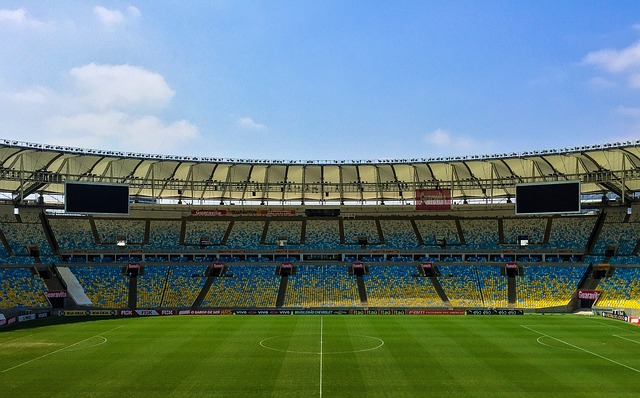
The Bundesliga witnessed a nail-biting clash as Dortmund and Bremen battled it out to a 2-2 draw at the Signal Iduna Park. This match was a testament to the unpredictable nature of football, with both teams showcasing resilience, tactical acumen, and moments of brilliance. The game was a rollercoaster of emotions for fans and players alike, with the momentum swinging like a pendulum between the two sides. Each team had its moments of dominance, but neither could outdo the other, leading to a share of the spoils that kept the league standings intriguingly poised.
The first half of the match was a fascinating tactical battle between Dortmund's Mike Tullberg and Bremen's Ole Werner, with both managers employing strategies that reflected their footballing philosophies. Dortmund, playing at home, started the match with an assertive stance, seeking to dominate possession and control the pace of the game. Their efforts were evident in the ball possession stats, which saw them holding a 56% majority. This control allowed them to create more opportunities, as highlighted by their expected goals (xG) of 0.84 compared to Bremen's 0.05, suggesting Dortmund were the more threatening side. However, both teams had a big chance each to score, indicating that despite Dortmund's dominance, Bremen were always in the game.
The atmosphere in Signal Iduna Park was electric, with fans from both sides creating a cacophony of support for their teams. The home team's efforts bore fruit in the first half, as they managed to break the deadlock and go into the break with a 1-0 lead. The goal was a culmination of Dortmund's persistent pressure and tactical superiority in the first half.
First Half Stats Chart
As the second half commenced, Bremen emerged with renewed vigor and a tactical switch that caught Dortmund off guard. The visitors dominated possession, flipping the script with a 65% control of the ball, a stark contrast to the first half. This shift in momentum was reflected in their expected goals (xG) jumping to 1.00, signaling their increased attacking threat. Bremen's resilience was rewarded with two goals, turning the match on its head and showcasing the unpredictable nature of football.
The second half was not short of drama, with both sides pushing for the win. The fans were treated to an end-to-end spectacle, with players from both teams displaying skill, determination, and the will to fight till the last whistle. The atmosphere reached a fever pitch as Bremen found their equalizer, setting up a tense finale. Despite numerous attempts from both sides to find the winner, the match ended in a 2-2 draw, a fair reflection of the game's balance.
Second Half Stats Chart
The match between Dortmund and Bremen was a showcase of football at its most thrilling and unpredictable. The game had everything - goals, tactical battles, momentum shifts, and drama. Both teams displayed tremendous spirit and skill, contributing to a spectacle that will be remembered by fans for a long time. The draw leaves both teams with much to ponder as they continue their respective campaigns in the Bundesliga.
The statistics from the match paint a picture of how closely contested this encounter was. Both teams had their periods of dominance, as seen in the ball possession and expected goals metrics. The total shots and big chances created were indicative of the attacking intent from both sides. The defensive aspects were equally matched, with tackles, interceptions, and goalkeeper saves highlighting the efforts at the back.
Final Stats Chart
The match was defined by key moments that swung the momentum between the two teams. The goals scored by Dortmund and Bremen were moments of high quality, showcasing the attacking talents on display. The card incidents, notably the red card for Dortmund's Nico Schlotterbeck for a professional foul, had a significant impact on the game's dynamics, putting Dortmund under pressure and allowing Bremen to capitalize.
The substitutions made by both managers were tactical moves aimed at shifting the game's balance. Dortmund's introduction of J. Brandt and K. Adeyemi was an attempt to inject fresh legs and creativity, while Bremen's strategic changes aimed to fortify their midfield and defense, proving crucial in their second-half comeback.
The match saw several standout performances from players on both teams. Dortmund's attacking movements and Bremen's resilience were epitomized by the key players who stepped up when it mattered. The heatmap analysis provides insights into the strategic formations and movements employed by both teams throughout the match.
Dortmund Heatmap
Bremen Heatmap
The goalkeepers' positioning and coverage, as illustrated by the heatmap, were crucial in some of the match's defining moments. Their saves kept their teams in the game, highlighting the importance of having a reliable last line of defense.
The Bundesliga clash between Dortmund and Bremen was a testament to the league's competitiveness and the sheer unpredictability of football. The 2-2 draw was a fair result, reflecting the balance of play and the efforts of both teams. As the dust settles, both teams will look to build on this performance, with the points shared serving as a foundation for their aspirations in the league.
The tactical nuances, the individual brilliance, and the collective effort from both teams made this match a spectacle for the fans and a highlight of the Bundesliga season. As Dortmund and Bremen continue their campaigns, they will take many positives from this encounter, knowing well that in football, every match is an opportunity for redemption, growth, and glory.
Dortmund, playing at their iconic Signal Iduna Park, opted for a dynamic 4-3-3 formation in this thrilling encounter. This strategy aimed to leverage their attacking prowess and maintain a solid defensive structure. The lineup was as follows:
Substitutes included Marcel Sabitzer (#20, M) from Austria, Maximilian Beier (#14, F), Julien Duranville (#16, F) from Belgium, and Waldemar Anton (#3, D) from Germany, each contributing to the team's performance in various capacities.
Missing from the lineup due to reasons not specified was Niklas Süle (D, Germany), a significant absence in the defensive lineup.
Dortmund Formation - 4-3-3
Bremen decided on a 3-5-2 formation, aiming to strengthen their midfield presence and exploit the width of the pitch. Their lineup was as follows:
Substitutes included Issa Kaboré (#29, D) from Burkina Faso and Leonardo Bittencourt (#10, M), who scored a goal after coming on, showcasing the depth in Bremen's squad.
Felix Agu (M, Germany) and Keke Topp (F, Germany) were notable absences from the matchday squad, potentially affecting team dynamics.
Bremen Formation - 3-5-2
The match saw a diverse range of player performances, with Dortmund's Serhou Guirassy and Bremen's Marvin Ducksch among the standout players, both scoring crucial goals for their teams. Dortmund's formation allowed them to maintain a strong attacking front, evident from Julian Brandt's impressive performance in the midfield, contributing significantly with an assist and a high rating of 7.2. On the other side, Bremen's 3-5-2 formation facilitated a strong midfield presence, with Jens Stage and Romano Schmid orchestrating the play and contributing to the team's overall performance.
The defensive units of both teams had mixed outcomes; Dortmund's Nico Schlotterbeck had a challenging day with a rating of 3.9, while Bremen's Miloš Veljković excelled with a 7.1 rating and an assist. The goalkeepers, Gregor Kobel and Michael Zetterer, played pivotal roles, with their saves and ball distributions underlining the importance of their positions.
The missing players for both teams could have added different dimensions to the game, especially Dortmund's Niklas Süle, whose defensive prowess was missed. Bremen's absentees, Felix Agu and Keke Topp, also left fans wondering what impact they could have made.
In conclusion, the match was a tactical battle between two well-prepared teams, with the players' performances directly reflecting the chosen formations and strategies. The dynamic 4-3-3 of Dortmund against the robust 3-5-2 of Bremen showcased a fascinating aspect of modern football tactics and team setups.
In the latest round of Bundesliga fixtures, the clash between Borussia Dortmund and Werder Bremen ended in a gripping 2-2 draw. This result has had a notable impact on the standings, particularly for Dortmund and Bremen, as they strive for better positions and European competition qualifications. After 19 matches, Borussia Dortmund finds itself in the 10th position with 26 points. The team has managed to secure 7 wins, 5 draws, and has suffered 7 losses, scoring 34 goals and conceding 33, leading to a goal difference of +1. Despite their mid-table position, Dortmund's performance suggests potential for improvement as they look to climb the table in the second half of the season.
Werder Bremen, on the other hand, is positioned 8th with 27 points, just a point above Dortmund. Bremen has won 7 matches, drawn 6, and lost 6, with a goal difference of -3 (33 goals for and 36 against). Their position reflects a competitive but inconsistent season, where every point becomes crucial for European qualification or to avoid the relegation battle.
The top of the Bundesliga table is led by FC Bayern München, sitting comfortably at the summit with 48 points from 19 matches. They have an impressive record of 15 wins, 3 draws, and only 1 loss, boasting a league-leading goal difference of +42. Bayern's dominance is evident as they have scored 58 goals while conceding just 16, underlining their status as the team to beat this season.
Bayer 04 Leverkusen occupies the 2nd spot with 42 points, having won 12 matches, drawn 6, and lost only once. Their goal difference stands at +20, with 46 goals scored and 26 conceded. Leverkusen's strong performance positions them as a serious contender for the title, although they still have a gap to close with Bayern München.
Eintracht Frankfurt is in 3rd place with 36 points from 18 matches, including 11 wins, 3 draws, and 4 losses. They have a goal difference of +18, thanks to scoring 42 goals and conceding 24. Frankfurt's solid performance puts them in a strong position for Champions League qualification.
VfB Stuttgart rounds off the top 4 with 32 points from 19 matches. Their record includes 9 wins, 5 draws, and 5 losses, with a goal difference of +8. Stuttgart's position highlights their competitive edge and their ambition for securing a spot in European competitions.
At the bottom, the relegation battle intensifies with 1. FC Heidenheim in the 16th spot, the relegation playoff position, with 14 points. Holstein Kiel and VfL Bochum 1848 occupy the last two positions, 17th and 18th respectively, both entrenched in the relegation zone with 12 points each. These teams face a tough challenge ahead as they fight for survival in Germany's top flight.
The match between Dortmund and Bremen not only added another chapter to their storied rivalry but also played a crucial role in shaping the mid-table dynamics. As the season progresses, both teams will be keen to secure more wins to improve their standings, with European competition spots and the avoidance of relegation battles firmly in their sights.