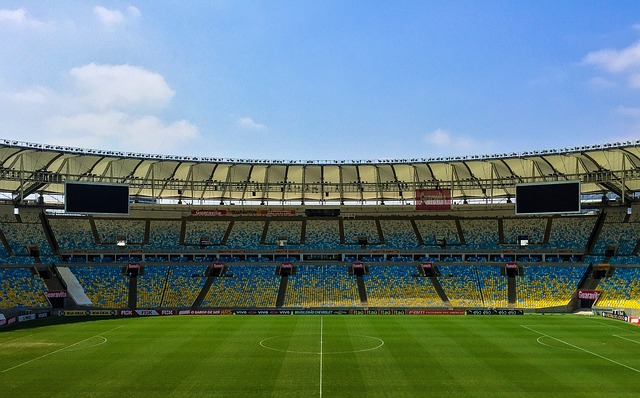
In the heart of Paris, the iconic Parc des Princes set the stage for a highly anticipated Ligue 1 clash between PSG and Reims. The match, pivotal for both teams, unfolded into a spectacle of skill, strategy, and suspense, ultimately culminating in a 1-1 draw. This result added another chapter to the storied rivalry between these two clubs, leaving fans and pundits dissecting every moment long after the final whistle.
The first half of PSG vs Reims was a masterclass in tactical football, with both teams showcasing their defensive solidity and attacking flair. Despite PSG's dominance in ball possession, boasting a staggering 76% to Reims' 24%, the scoreboard remained untouched by halftime. PSG's strategy to control the game through meticulous passing was evident, as they completed 385 passes compared to Reims' 117. However, Reims' resilience in defense and quick counter-attacks posed a constant threat.
Both teams had their share of opportunities to break the deadlock, with PSG and Reims creating 2 big chances each. The goalkeepers were called into action, making crucial saves to keep the score level. PSG's attempt to capitalize on their ball possession was reflected in their 9 total shots, but Reims' defensive organization and timely interventions kept the home team at bay. The tactical battle extended beyond just ball movement, with both sides engaging in a physical contest that saw PSG and Reims committing 11 and 13 fouls, respectively.
First Half Stats Chart
The second half brought a noticeable shift in momentum, with both teams finding the back of the net and intensifying their efforts to secure a victory. PSG continued to assert their dominance in possession, slightly increasing it to 79%, yet it was Reims who struck first, capitalizing on a rare but meticulously executed counter-attack. The goal seemed to galvanize PSG, who responded with fervor, leading to Ousmane Dembélé's equalizer, a testament to PSG's relentless pressure and intricate playmaking.
The statistical highlights of the second half further illustrate the closely fought nature of the contest. Both teams had an equal number of total shots (4), showcasing the tightened defenses and the cautious approach adopted as the match neared its conclusion. PSG's tactical adjustments were evident in their improved shot accuracy and continued control over the game's tempo, as seen in their 327 passes in the latter half. Despite their best efforts, PSG could not find the breakthrough, thanks in part to Reims' disciplined defense and strategic counter-attacks.
Second Half Stats Chart
The PSG vs Reims match was a gripping encounter from start to finish, characterized by strategic gameplay, tactical adjustments, and moments of individual brilliance. The final 1-1 scoreline reflects the evenly matched contest, with both teams having moments where they could have clinched the win. PSG's overwhelming ball possession (77%) and superior passing (712 passes) showcased their game plan of controlling the match's rhythm and creating openings through intricate passing sequences.
Reims, on the other hand, demonstrated tactical discipline and efficiency, utilizing their limited possession (23%) to create meaningful attacks. The defensive efforts of both teams were highlighted by the number of tackles (PSG with 13 and Reims with 30) and the goalkeepers' crucial saves throughout the match. The draw leaves both teams pondering what might have been, as they shared the spoils in a match that had everything but a winner.
Final Stats Chart
The goal by Ousmane Dembélé for PSG was a showcase of individual skill and team coordination, a culmination of a fluid attacking move that sliced through Reims' defense. On the disciplinary front, the match saw key players from both teams, including Lucas Hernández of PSG and Sergio Akieme of Reims, receiving yellow cards for fouls that underscored the competitive nature of this fixture.
Substitutions played a crucial role in the match, with PSG and Reims making tactical changes to influence the game's flow. PSG introduced fresh attacking options in the form of K. Kvaratskhelia, G. Ramos, and O. Dembélé, aiming to increase their offensive output. Reims responded with substitutions designed to consolidate their defense and exploit any openings through counter-attacks. The impact of these substitutions was evident in the game's dynamics, with both teams creating more scoring opportunities in the second half.
The strategic battle between PSG and Reims was not just played out through ball possession and shots but also through the positioning and movements of the players across the pitch. The heatmaps provide a fascinating insight into the tactical approaches of both teams.
PSG Heatmap
Reims Heatmap
The home team's heatmap shows a concentration of activity down the flanks, indicating a strategy to stretch Reims' defense and create crossing opportunities. Conversely, Reims' heatmap illustrates a compact and disciplined setup, focusing on central areas to disrupt PSG's passing lanes and launch counter-attacks.
The PSG vs Reims clash was a testament to the unpredictable and thrilling nature of football. With both teams showcasing their strengths and battling to a 1-1 draw, the match left fans on the edge of their seats. The strategic nuances, the individual moments of brilliance, and the sheer intensity set the tone for what was a memorable encounter in Ligue 1's 24/25 season.
In a thrilling encounter that ended in a 1-1 draw, both PSG and Reims showcased strategic depth and individual brilliance. This detailed analysis delves into the formations, player lineups, and key statistics that shaped the outcome of this match.
PSG Formation - 4-3-3
PSG opted for a 4-3-3 formation, a setup that emphasizes width and attacking flexibility. This formation allowed PSG's wingers and full-backs to exploit the flanks, creating numerous crossing opportunities and stretching the Reims defense.
Starting XI:
Substitutes:
Reims Formation - 4-2-3-1
Reims employed a 4-2-3-1 formation, focusing on central compactness and counter-attacking through the wings. This structure provided them with defensive solidity against PSG's attacking threats while enabling quick transitions.
Starting XI:
Substitutes:
Both teams were without key players due to various reasons, which could have impacted their strategies and performances. PSG missed Ibrahim Mbaye, an attacking option, while Reims were without Mohamed Daramy, Reda Khadra, Yaya Fofana, and Amadou Kone, indicating a significant loss in their midfield and attacking depth.
The 1-1 draw between PSG and Reims was a testament to both teams' tactical setups and individual performances. PSG's 4-3-3 formation allowed them to dominate possession and create numerous chances, while Reims' 4-2-3-1 setup enabled them to absorb pressure and counter effectively. The player statistics and performances highlight the competitive nature of the match and the strategic nuances that influenced the final outcome.
The recent match between Paris Saint-Germain (PSG) and Reims ended in a 1-1 draw, marking the 19th round of matches in Ligue 1. This outcome has implications for the standings, particularly for PSG and Reims, as they navigate through the league's competitive landscape. PSG, playing on their home ground at the iconic Parc des Princes in Paris, which boasts a capacity of 48,583, aimed to solidify their top position but had to settle for a single point. Despite the draw, PSG remains at the pinnacle of Ligue 1, with an impressive tally of 47 points from 19 matches, including 14 wins and 5 draws. Their dominant goal difference of +32 underscores their offensive prowess, having scored 49 goals while conceding only 17.
Olympique de Marseille trails behind in second place, accumulating 37 points from 18 matches. Their performance has been notable, with 11 wins contributing to their strong position in the league, alongside a positive goal difference of +19. AS Monaco occupies the third spot with 34 points from 19 matches, their 10 wins demonstrating a competitive edge and resilience in the league. Lille, with 32 points from 19 matches, rounds off the top four, positioning themselves for Champions League qualification with a balanced record of 8 wins and 8 draws.
At the other end of the table, the battle against relegation intensifies. Nantes, in the 16th position, finds themselves in the relegation playoffs zone with 17 points from 18 matches, a precarious position that demands improvement in the latter half of the season. Le Havre and Montpellier occupy the 17th and 18th spots, respectively, with Le Havre amassing 13 points from 18 matches and Montpellier just behind with 12 points. Both teams face the daunting prospect of relegation, underscoring the need for urgent points accumulation to escape the drop zone.
Reims, involved in the aforementioned match against PSG, sits in the 12th position with 22 points from 19 matches. Their performance has been characterized by resilience, drawing 7 matches, which suggests a competitive spirit but also highlights the need for converting draws into wins to climb higher in the standings. Their goal difference of -2 reflects closely contested matches and a defense that has been relatively robust.
The draw between PSG and Reims not only impacts their immediate standings but also sets the stage for the remainder of the season. For PSG, maintaining their lead at the top will be paramount, while Reims will be keen on leveraging their solid performances to ascend further up the league table. The balance of the season promises intense competition, with every match carrying significant weight in the race for the title, European qualification, and the battle against relegation.