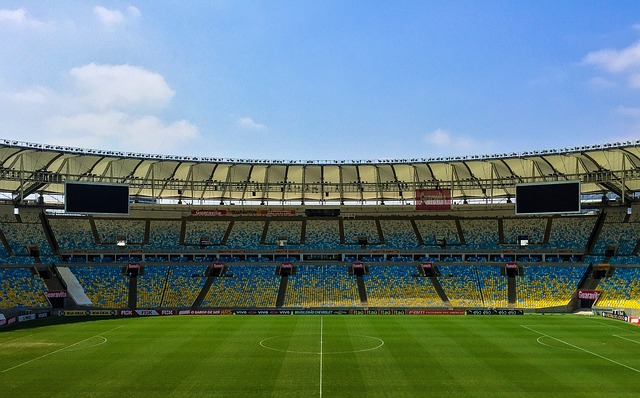
The UEFA Champions League encounter between Brest and Real Madrid was nothing short of a tactical chess match, particularly evident in the first half of the game. Held at the Stade du Roudourou in Guingamp, France, the atmosphere was electric, with over 19,000 fans in attendance, eagerly anticipating a clash of titans. Real Madrid, under the guidance of Carlo Ancelotti, showcased their strategic prowess, maintaining a dominant 63% ball possession against Brest's 37%. This control over the ball was crucial, allowing Madrid to dictate the pace of the game.
Despite the possession imbalance, the first half was tightly contested, with both teams creating chances. Real Madrid's strategic approach paid off in the 27th minute when Rodrygo, assisted by Luka Modrić, found the back of the net with a left-foot strike, marking the only goal of the half. This moment was a testament to Madrid's clinical efficiency in front of goal, capitalizing on their opportunities.
The half was not without its challenges for Real Madrid, as Brest put up a resilient defense. However, the statistics reveal a tale of Madrid's offensive efforts, with a total of 9 shots compared to Brest's 5. The home team, coached by Eric Roy, struggled to convert their chances, highlighting the defensive solidity of Madrid.
As the whistle blew for half-time, the scoreline read 1-0 in favor of Real Madrid. The anticipation for the second half was palpable, with fans and analysts alike curious to see how Brest would respond to the deficit and whether Madrid could maintain their lead and control of the match.
First Half Stats Chart
The second half saw a shift in momentum as Brest aimed to claw back into the game. However, Real Madrid's experience and quality shone through, with the team adapting to Brest's aggressive approach. The away team managed to extend their lead with two additional goals, showcasing their offensive firepower and tactical flexibility.
Real Madrid's ability to control the game was slightly challenged in the second half, with ball possession evening out to 55% for Brest and 45% for Madrid. This shift indicated Brest's urgency to push forward, but Madrid's defense stood firm, absorbing the pressure and effectively countering to extend their lead.
The key moments of the second half were undoubtedly the goals scored by Real Madrid, further cementing their dominance. The team's strategic substitutions played a role in maintaining the tempo and introducing fresh legs to exploit the spaces left by Brest's forward pushes.
As the final whistle sounded, Real Madrid emerged victorious with a 3-0 scoreline, a result that reflected their dominance and clinical execution throughout the match. The victory was a testament to their status as one of Europe's elite clubs, capable of delivering commanding performances on the biggest stage.
Second Half Stats Chart
The UEFA Champions League clash between Brest and Real Madrid was a showcase of tactical brilliance, resilience, and footballing quality. From the opening minutes to the final whistle, Real Madrid demonstrated why they are considered among the footballing elite, with a comprehensive 3-0 victory over Brest.
Throughout the match, Real Madrid controlled the game's tempo, utilizing their superior ball possession to create scoring opportunities. The team's strategic approach was evident in their 58% overall ball possession, underlining their ability to dominate matches. The expected goals metric further highlights Madrid's efficiency, with a 1.03 rating compared to Brest's 0.93, indicating the quality of chances created.
Defensively, Real Madrid was solid, effectively neutralizing Brest's attempts to breach their backline. The statistics reflect Madrid's defensive prowess, with the team making crucial interceptions, tackles, and goalkeeper saves to maintain their clean sheet.
Offensively, Real Madrid was clinical, converting their chances and capitalizing on Brest's defensive lapses. The team's ability to execute in key moments was the difference, with goals scored at critical junctures to secure the victory.
Final Stats Chart
The goal-scoring incidents were a highlight, with Real Madrid's players demonstrating their skill and composure under pressure. The buildup to each goal was a testament to the team's tactical preparation, with precise passing and movement creating the opportunities.
The match also saw its fair share of competitive edge, with several fouls and cards issued. These incidents were reflective of the high stakes and intense competition, with each team fighting hard to impose their will on the match.
The strategic substitutions made by Real Madrid played a significant role in the match's outcome. The introduction of fresh legs at crucial moments allowed Madrid to maintain their intensity and exploit the spaces created by a tiring Brest defense.
Key players for Real Madrid, including Rodrygo, Luka Modrić, and Jude Bellingham, were instrumental in the victory. Their performances highlighted their importance to the team, with each contributing significantly to the match's outcome.
The heatmaps provide a fascinating insight into the match's dynamics, with Real Madrid's positioning reflecting their tactical approach. The team's ability to control the midfield and create overloads in attack was evident, with key players occupying strategic areas to influence the game.
Brest Heatmap
Real Madrid Heatmap
The goalkeepers' performances, especially for Real Madrid, were crucial in maintaining the clean sheet. The heatmap analysis of the goalkeeper's positioning and saves highlights their contribution to the team's defensive solidity.
The Stade du Roudourou, with its rich history and vibrant atmosphere, provided the perfect backdrop for this UEFA Champions League clash. The stadium's ambiance contributed to the match's intensity, with fans from both sides creating a memorable experience.
Eric Roy and Carlo Ancelotti brought their unique coaching philosophies to the match, with Ancelotti's experience and strategic acumen proving decisive. The victory has significant implications for Real Madrid, reinforcing their position as contenders for the UEFA Champions League title.
In conclusion, Real Madrid's victory over Brest was a comprehensive display of footballing excellence, with the team demonstrating their quality, depth, and tactical intelligence. As the UEFA Champions League progresses, Real Madrid continues to affirm their status as one of the tournament's favorites, setting the stage for more thrilling encounters.
Brest, playing at home, adopted a 4-3-1-2 formation for this encounter, a choice that emphasizes a compact midfield and versatility in attack. This setup allowed them to have a solid defense while providing options to transition quickly to offense through the midfield. The lineup was as follows:
Brest Formation - 4-3-1-2
The chosen formation and lineup, however, couldn't prevent a defeat. Notable performances came from Kenny Lala, who had a rating of 7.3, highlighting his defensive prowess and contribution to the attack with 4 key passes and an expected assists figure of 0.161896. Ludovic Ajorque and Mama Baldé, the forwards, had ratings of 7 and 7.2 respectively, indicating their efforts in trying to break down the opposition's defense. The team was missing key players due to injuries including Jordan Amavi, Massadio Haïdara, Bradley Locko, and Jonas Martin, which might have impacted their overall performance.
Real Madrid opted for a 4-2-3-1 formation, a versatile and balanced setup that provides solidity in defense and creativity in the midfield, leading to a triumphant 3-0 victory. Their lineup was as follows:
Real Madrid Formation - 4-2-3-1
Lucas Vázquez was exceptional, with a rating of 8.3, contributing with an assist and creating 3 big chances. Jude Bellingham and Rodrygo, both scoring, had ratings of 7.8 and 8.2 respectively, showcasing their crucial roles in Real Madrid's victory. The team's performance was slightly affected by the absence of key players such as Éder Militão, Daniel Carvajal, Eduardo Camavinga, and Vinícius Júnior due to injuries and other reasons.
The match statistics reveal a game dominated by Real Madrid, with their formation allowing them to control the midfield and create numerous scoring opportunities. Lucas Vázquez's assist and overall contribution were pivotal, as indicated by his high rating and expected assists figure of 0.688617. Thibaut Courtois, with a rating of 7.5, made crucial saves to keep a clean sheet, reflecting his importance to the team's defensive solidity.
Brest's attempt to leverage their formation for a balanced attack and defense was met with challenges, particularly in breaking down Real Madrid's defense. Kenny Lala and Ludovic Ajorque were standout performers for Brest, trying to initiate and convert chances into goals. The heatmap and stats chart would further illustrate the dynamics of the match, showing areas of dominance and opportunities created by both teams. Unfortunately, the available media codes do not include these specific insights.
This analysis highlights the tactical approaches both teams took, with Real Madrid's formation and strategy proving to be more effective on the day. The absence of key players on both sides also played a role in the match's outcome, underscoring the importance of squad depth in modern football.
In a compelling display of football, Real Madrid clinched a decisive 3-0 victory over Brest in the latest round of the UEFA Champions League. This match, held at the Stade du Roudourou in Guingamp, France, showcased Real Madrid's dominance on the field, with the team scoring once in the first half and twice in the second, marking a significant win in their campaign. The victory not only adds three points to their tally but also strengthens their position in the competition's standings.
As the UEFA Champions League progresses, the standings provide a clear picture of the top contenders and those in jeopardy. Liverpool leads the pack with an impressive 21 points from 8 matches, boasting 7 wins and a single loss. Their goal difference stands at +12, highlighting their offensive strength and defensive solidity. Barcelona follows closely with 19 points, having scored a remarkable 28 goals, the highest in the league, against 13 conceded, resulting in a +15 goal difference. Arsenal and Inter, both with 19 points, occupy the third and fourth positions, respectively, showcasing their prowess and determination in the competition.
Real Madrid, with their recent win, now stands at the 12th position, accumulating 15 points from 8 matches. They have won 5 matches and lost 3, with a goal difference of +8, indicating a strong offensive but a need to tighten their defense. Brest, on the other hand, finds itself in a challenging position at the 18th spot, with 13 points from 8 matches, including 4 wins, 3 losses, and 1 draw. Their goal difference is -1, reflecting the tight contests they've been involved in.
The competition's intensity is equally matched at the bottom of the standings, where teams fight to improve their positions and avoid the lower ranks. GNK Dinamo Zagreb, VfB Stuttgart, Shakhtar Donetsk, and Bologna occupy the 25th to 28th positions, respectively. Each team has faced struggles, with points ranging from 11 to 6, indicating the fierce competition and thin margins that could decide their fate in the tournament. The bottom four, including FK Crvena zvezda, SK Sturm Graz, AC Sparta Praha, and RB Leipzig, face uphill battles, with points as low as 3 for RB Leipzig, highlighting the challenges and the competitive nature of the UEFA Champions League.
As the UEFA Champions League unfolds, the standings after 8 rounds indicate a thrilling competition ahead. The top teams, including Liverpool, Barcelona, Arsenal, and Inter, have set high standards, while teams like Real Madrid aim to climb higher in the rankings. Brest, amidst the struggle, has the potential to improve its standing and make a significant impact in the coming matches. The dynamics at the bottom of the table also add an intriguing layer to the competition, with every match playing a crucial role in shaping the final standings. The road ahead promises more excitement, upsets, and exemplary football, as teams vie for glory in one of the most prestigious tournaments in the world.