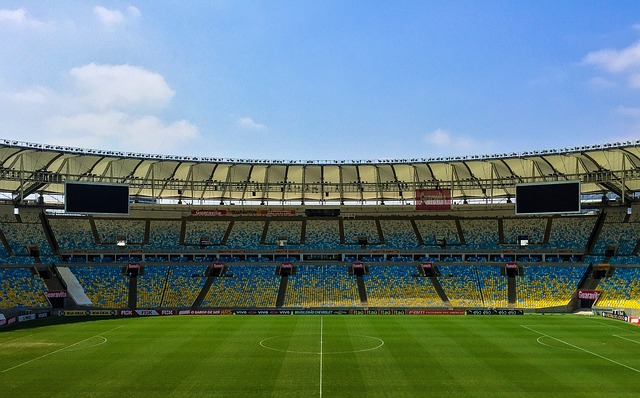
In a thrilling Ligue 1 encounter at the Decathlon Arena - Stade Pierre Mauroy, Lille showcased their dominance with a decisive 4-1 victory against Saint-Étienne, marking a pivotal moment in their season. This match review delves into the key moments, player performances, and tactical nuances that defined the game's outcome, providing a detailed analysis for football enthusiasts.
The initial 45 minutes set the tone for an enthralling match, with both teams eager to assert their dominance early on. Lille, playing at home, utilized their possession-based approach to control the game's tempo, reflected in their 67% ball possession. Despite this, Saint-Étienne displayed resilience, particularly in their defensive efforts, which was evident from their 3 crucial goalkeeper saves. The half was characterized by a competitive edge, with both teams creating significant chances. Lille managed 10 total shots, while Saint-Étienne responded with 5, showcasing their intent to counter Lille's dominance.
The atmosphere was electric, with fans from both sides providing unwavering support. The game's flow was intermittently disrupted by fouls, contributing to a fiercely contested battle in midfield. The strategic deployment of players was visible in the home team heatmap Lille Heatmap , indicating Lille's emphasis on attacking through the flanks. Conversely, the away team heatmap
Saint-Étienne Heatmap highlighted Saint-Étienne's defensive organization and attempts to exploit spaces on the counter.
First Half Stats Chart
The second half witnessed a significant shift in momentum, primarily due to Lille's tactical adjustments and effective use of substitutions. The home side ramped up their offensive efforts, which is reflected in their 10 total shots and improved expected goals (xG) to 1.24. Saint-Étienne, despite being resilient, found it increasingly challenging to contain Lille's attackers, culminating in a red card that further tilted the game in Lille's favor.
The crowd's energy reached its zenith as Lille capitalized on their numerical advantage, translating their dominance into goals. The strategic movements and positioning of Lille players, as depicted in the second-half home team heatmap, underscored their relentless pursuit of widening the scoreline. Saint-Étienne's attempts to regroup and counter were evident in their heatmap, but Lille's superiority on the day was undeniable.
Second Half Stats Chart
Lille's comprehensive 4-1 victory over Saint-Étienne was a testament to their strategic preparation and execution. Dominating 66% of ball possession throughout the game and launching 20 total shots compared to Saint-Étienne's 9, Lille's offensive machinery was in full swing. The expected goals (xG) metric further highlights Lille's efficiency in front of goal, boasting a 2.31 xG against Saint-Étienne's 2.07.
The game was punctuated by moments of individual brilliance, with Lille's attackers exploiting spaces and creating numerous big chances. The goal-scoring incidents were a blend of tactical ingenuity and precision, leaving the Saint-Étienne defense often outpaced and outnumbered. The card incidents, particularly the red card for Saint-Étienne, were turning points, significantly impacting the game's dynamics and final outcome.
Final Stats Chart
Lille's strategic substitutions played a pivotal role in maintaining the intensity and freshness on the pitch. The introduction of fresh legs at crucial junctures allowed Lille to sustain their high-pressing game and exploit the fatigue setting in among the Saint-Étienne players. The effectiveness of these substitutions was evident in the immediate impact on the field, with substitute players contributing significantly to both defensive stability and offensive thrust.
The heatmap analysis reveals strategic formations and movements that underscored Lille's game plan. Their ability to maintain positional discipline while dynamically adjusting to the flow of the game was instrumental in their victory. In contrast, Saint-Étienne's heatmap indicated their struggle to consistently penetrate Lille's defensive setup, particularly after being reduced to ten men.
In conclusion, Lille's emphatic victory over Saint-Étienne was a showcase of tactical prowess, individual brilliance, and effective game management. The Decathlon Arena - Stade Pierre Mauroy bore witness to a match that had everything from strategic depth, intense duels, to moments of sheer footballing beauty, underlining the unpredictable and exhilarating nature of Ligue 1 football.
Lille opted for a 4-2-3-1 formation in their recent clash, a setup that emphasizes both defensive solidity and attacking versatility. This formation, detailed in the Lille Formation - 4-2-3-1 , allows for strong midfield control while providing support to the lone striker with three attacking midfielders behind him. The lineup for Lille was as follows:
Substitutes who made an appearance included Thomas Meunier (#12), Osame Sahraoui (#11), Ethan Mbappé (#29), and Mitchel Bakker (#20). Notably, Gabriel Gudmundsson and Jonathan David were among the scorers, with David also providing an assist, showcasing their critical roles in Lille's attack.
Missing from the lineup were key players such as Benjamin André, Tiago Santos, Samuel Umtiti, and Ismaily, among others, due to various reasons. Their absence might have impacted the team's depth, but Lille managed to secure a convincing victory regardless.
Saint-Étienne presented a 4-3-3 formation, aiming for width in attack and a strong midfield presence to counter Lille's setup, as illustrated in the Saint-Étienne Formation - 4-3-3 . Their starting XI was:
Substitutes who saw game time included Augustine Boakye (#20), Yunis Abdelhamid (#5), Pierre Cornud (#17), and Yvann Maçon (#27). Despite their efforts, the team struggled, with Zuriko Davitashvili being the only player to find the back of the net.
The team was without important players like Ibrahim Sissoko and Ibrahima Wadji due to injuries, which possibly affected their overall performance and options in attack.
In terms of player statistics, Lille's Jonathan David was a standout performer with a goal, an assist, and an 8.5 rating, indicating his crucial role in the team's offensive play. Gabriel Gudmundsson also impressed, scoring a goal and achieving an 8.0 rating, showcasing his importance in both defense and attack.
For Saint-Étienne, despite the loss, Gautier Larsonneur made six saves, reflecting a strong individual performance in goal. Zuriko Davitashvili, with a goal and a 7.3 rating, was another key player, demonstrating his attacking threat.
Overall, these stats provide a deeper insight into the match's dynamics, highlighting individual contributions and tactical setups. The formations, as visualized in the media provided, played a significant role in the game's outcome, with Lille's 4-2-3-1 formation proving to be more effective on the day.
Lille Formation - 4-2-3-1
Saint-Étienne Formation - 4-3-3
In the latest round of Ligue 1, the 20th of the season, Lille hosted Saint-Étienne in a match that ended with a decisive 4-1 victory for the home team. This victory is significant for Lille as it solidifies their position in the top four of the standings, a crucial spot for Champions League qualification. After 20 matches played, Lille now boasts 9 wins, 8 draws, and only 3 losses, accumulating a total of 35 points. Their goal difference stands at +13, with 33 goals scored and 20 conceded, highlighting their balanced performance in both attack and defense.
Saint-Étienne, on the other hand, finds themselves in a more precarious position. With this latest defeat, they remain 15th in the standings, having played 20 matches as well. Their record consists of 5 wins, 3 draws, and a concerning 12 losses, totaling 18 points. The goal difference of -24, with 19 goals scored and 43 conceded, underscores the challenges they face, particularly in their defensive line.
The top of the Ligue 1 table is led by Paris Saint-Germain, who, after 20 matches, have established a commanding lead. PSG has accumulated 50 points with an impressive record of 15 wins and 5 draws, remaining unbeaten thus far. Their goal difference of +35 is the highest in the league, thanks to scoring 54 goals while conceding only 19. Olympique de Marseille and AS Monaco occupy the second and third positions, respectively, both teams having played 19 and 20 matches and sitting on 37 points. Marseille has a goal difference of +17, while Monaco's is +12, indicating their effectiveness in front of goal and their robust defensive records.
At the opposite end of the table, the battle against relegation intensifies. Stade Rennais, Montpellier, and Le Havre occupy the 16th to 18th positions, respectively. Stade Rennais, with 19 matches played, has 17 points and a goal difference of -4. Montpellier, having played 20 matches, is just below with 15 points and a goal difference of -26. Le Havre finds themselves in a particularly challenging situation, sitting 18th with 13 points from 19 matches and a goal difference of -24. These teams face a crucial phase in the season as they fight for survival in France's top football division.
The current standings reflect the competitive nature of Ligue 1, with a clear divide between the teams fighting for European competition places and those battling relegation. For Lille, maintaining their position in the top four will be crucial for securing Champions League football next season. Saint-Étienne, however, will need to address their issues both in attack and defense if they wish to climb away from the relegation zone and secure their status in France's top flight. The coming rounds will be critical for all teams involved as they look to achieve their respective goals for the season.