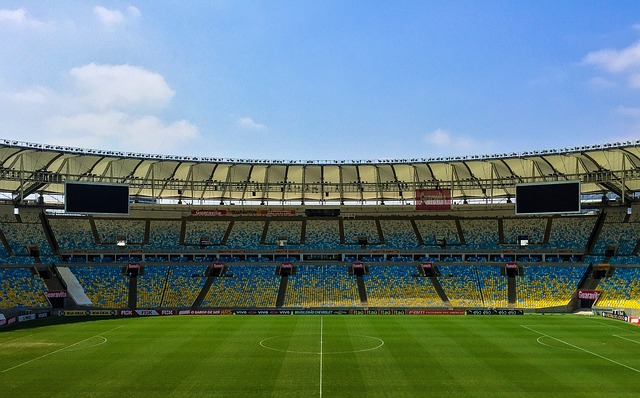
In the heart of San Sebastian, at the Reale Arena, Real Sociedad and Espanyol delivered a football match that encapsulated the essence of LaLiga's competitive spirit. The game was a showcase of tactical brilliance, individual skill, and moments that will be etched in the memories of fans. With a final score of 2-1, Real Sociedad's strategic gameplay outmaneuvered Espanyol's resilience, marking a significant chapter in their season's journey.
The first half set the tone for what was to become a thrilling encounter. Real Sociedad, playing at home, took control of the game early on, dictating the pace and flow of the match. Their dominance was evident in the ball possession and the number of shots taken. However, Espanyol's defense stood tall, making crucial saves and keeping the game within reach. The atmosphere in the Reale Arena was electric, with fans from both sides creating a vibrant backdrop to the unfolding drama on the pitch.
The statistical highlights of the first half underscore Real Sociedad's control over the game. With a staggering 73% ball possession and an expected goals (xG) metric of 0.92, they were the more threatening side. Their offensive efforts were further highlighted by creating one big chance and taking five total shots, two of which were on target. Despite Espanyol's goalkeeper making two crucial saves, Real Sociedad managed to find the back of the net, ending the half with a 1-0 lead. This period of play was a testament to Real Sociedad's tactical setup and execution, laying the groundwork for the second half.
First Half Stats Chart
The second half saw a shift in momentum as Espanyol looked to claw their way back into the game. Their efforts paid off with an expected goals (xG) metric of 0.85, indicating their increased offensive output. The game's intensity increased, with both teams creating significant chances and the goalkeepers being tested. Real Sociedad's strategy to maintain control while being under pressure was evident, as they managed to keep a significant share of ball possession and continued to press for more goals.
Statistically, the second half was more balanced, with Real Sociedad holding 66% of the ball possession and both teams registering one big chance each. Espanyol's goalkeeper made a pivotal save, keeping their hopes alive. However, Real Sociedad's consistent pressure and tactical superiority allowed them to score once more, securing a 2-1 victory as the final whistle blew. The resilience and determination of both teams were on full display, but Real Sociedad's ability to execute their game plan ultimately made the difference.
Second Half Stats Chart
The match was filled with moments that highlighted the competitive nature of LaLiga. Real Sociedad's early goal set the stage, with Sheraldo Becker finding the net in the opening minute, showcasing their intent to dominate. Espanyol's equalizer from the penalty spot added drama, keeping the fans on the edge of their seats. However, Brais Méndez's left-footed strike, assisted by Jon Ander Olasagasti, sealed the deal for Real Sociedad, capturing the essence of their strategic and precise gameplay.
The goal by Sheraldo Becker demonstrated Real Sociedad's quick start and offensive mindset, catching Espanyol off guard. Espanyol's penalty goal by J. Puado showcased their resilience and ability to capitalize on their opportunities. Brais Méndez's goal was a culmination of a well-orchestrated move, highlighting Real Sociedad's tactical awareness and execution.
Card incidents were minimal but impactful, with Aritz Elustondo and Álvaro Aguado receiving yellow cards for their respective teams. These incidents reflected the intense battle in midfield and the tactical fouls committed to disrupt the flow of the game.
Both teams made strategic substitutions to influence the game's outcome. Real Sociedad introduced fresh legs in the midfield and attack, aiming to maintain their dominance and offensive threat. Espanyol's substitutions were geared towards injecting pace and creativity, in hopes of overturning the deficit. The timing and choice of substitutions reflected the managers' tactical acumen and their attempts to outmaneuver each other.
Real Sociedad's tactical setup allowed players like Brais Méndez and Sheraldo Becker to shine, with their movements and goal-scoring ability proving decisive. Espanyol's resilience was epitomized by their goalkeeper's crucial saves and J. Puado's opportunistic penalty goal. The match was a showcase of individual brilliance within the framework of team strategy.
The heatmaps provide a visual representation of the teams' strategic formations and movements throughout the match. Real Sociedad's heatmap shows their dominance in possession and territorial advantage, particularly in the attacking third. Espanyol's heatmap indicates their defensive setup and attempts to exploit the wings for counter-attacks.
Real Sociedad Heatmap
Espanyol Heatmap
Javier Alberola Rojas, with his extensive experience, managed the game effectively, ensuring the match's flow was maintained while making key decisions that impacted the game's outcome. His handling of the game added to the overall spectacle, allowing the players to express themselves within the rules.
The Reale Arena, with its passionate fans and vibrant atmosphere, provided the perfect setting for this enthralling encounter. Its history and capacity have made it a formidable venue for visiting teams, and this match was no exception.
Imanol Alguacil Barrenetxea and Manolo Gonzalez brought their unique coaching philosophies to this match, with their tactical setups, in-game adjustments, and substitutions reflecting their approach to football. Their strategies and decisions were pivotal in shaping the game's outcome.
Real Sociedad's victory over Espanyol in this LaLiga encounter was a testament to their tactical superiority, individual brilliance, and strategic execution. The match had everything – goals, drama, and a showcase of footballing talent. As both teams move forward in the season, the implications of this result will resonate, shaping their journeys in one of football's most competitive leagues.
Real Sociedad opted for a 4-3-3 formation in their latest match, a decision that underscored their strategic preference for width and versatility in attacking options. This formation allowed them to maintain possession and apply pressure across the entire pitch, particularly through the midfield and wings. The lineup was as follows:
Substitutes who made an appearance included Jon Ander Olasagasti (#16, M), Ander Barrenetxea (#7, F), Mikel Oyarzabal (#10, F), Takefusa Kubo (#14, M), and Brais Méndez (#23, M), the latter scoring a goal within his brief playtime. The team was without Álvaro Odriozola (D), Hamari Traoré (D), and Igor Zubeldia (D) due to various reasons.
Real Sociedad Formation - 4-3-3
The selected formation and lineup by Real Sociedad emphasize their tactical flexibility and depth in the squad. The midfielders and forwards were particularly influential, with Sheraldo Becker scoring a goal and demonstrating significant on-field impact. The substitutes, especially Brais Méndez, played crucial roles in securing the victory, showcasing the team's strong bench.
Espanyol adopted a 4-4-2 formation, a classic setup that balances defense and attack, aiming to strengthen the midfield while providing support to the strikers. The lineup included:
Substitutes introduced in the game were Jofre Carreras (#17, M), Alejo Véliz (#9, F), and Álvaro Tejero (#12, D). Key absences due to various reasons were Carlos Romero (D), Pablo Ramón (D), and José Gragera (M).
Espanyol Formation - 4-4-2
The 4-4-2 formation allowed Espanyol to maintain a solid midfield presence and defensive stability, with Javi Puado, the captain, also contributing a goal. However, the team struggled to dominate possession and create scoring opportunities, as reflected in the limited impact of their forwards. The substitutions aimed to inject fresh energy and creativity, but the team ultimately fell short.
The match statistics offer a deeper insight into individual performances and the tactical execution by both teams. Real Sociedad's goalkeeper, Álex Remiro, and defender, Jon Aramburu, had notable performances, with Aramburu's defensive work and passing accuracy standing out. In midfield, Luka Sučić's contributions were significant, with a high expected goals (xG) value indicating his attacking threat. Sheraldo Becker's goal was a product of his direct attacking play, as evidenced by his on-target scoring attempts and overall rating.
For Espanyol, goalkeeper Joan García made several crucial saves, despite the goals conceded. Omar El Hilali was a standout in defense, with a high interception count and overall rating reflecting his defensive acumen. In midfield, Javi Puado was the key player, not just for his goal but also for his overall play, including winning a penalty. The forward line, however, struggled for impact, with Antoniu Roca and Roberto Fernández finding it challenging to break through Real Sociedad's defense.
This analysis highlights the strategic nuances of both teams, with Real Sociedad leveraging their formation for attacking diversity and Espanyol aiming for balance and solidity. The player statistics underscore the importance of individual contributions to the team's overall strategy and success in a highly competitive match.
In the aftermath of a gripping encounter between Real Sociedad and Espanyol in round 23 of LaLiga, the standings offer a fascinating snapshot of the competition's current dynamics. Real Sociedad's victory over Espanyol by a 2-1 margin not only provided an enthralling spectacle for the fans at the Reale Arena in San Sebastian but also had significant implications for their respective positions in the league table. Real Sociedad, with this crucial win, have played 23 matches, accumulating a total of 31 points. This positions them in 7th place, a spot that highlights their competitive spirit and potential for European qualification, despite a goal difference of 0, with 20 goals scored and equally conceded.
Espanyol, on the other hand, finds themselves in a precarious situation following the defeat. Positioned 16th in the standings, they have also played 23 matches but have managed to gather only 23 points. Their goal difference stands at -13, with 22 goals scored against them and 35 conceded. This puts them perilously close to the relegation zone, emphasizing the need for a swift turnaround in form if they are to avoid the drop.
The top of the table presents its own narrative of dominance and competition. Real Madrid leads the pack with 50 points from 23 matches, boasting a goal difference of +29. They are closely followed by Atlético Madrid, who have 49 points and a +23 goal difference, indicating a tight race for the title. Barcelona occupies the third spot with 45 points from 22 matches, their impressive goal tally of 60 highlighting their attacking prowess. Athletic Club rounds off the top four with 44 points, a testament to their consistent performances throughout the season.
Conversely, the battle at the bottom is equally compelling. Valencia, Deportivo Alavés, and Real Valladolid occupy the 18th, 19th, and 20th positions, respectively, all embroiled in a fight for survival. Valencia and Deportivo Alavés are neck and neck, with 22 and 21 points, respectively, both teams facing a significant challenge to secure their LaLiga status. Real Valladolid, languishing at the bottom with 15 points, faces the most daunting task, with a goal difference of -33 further complicating their situation.
This season's LaLiga is shaping up to be a tale of two halves, with a fierce battle for supremacy at the top and a desperate struggle for survival at the bottom. The outcome of matches such as Real Sociedad versus Espanyol not only influences the immediate standings but also sets the tone for the remainder of the season. As teams jostle for position, every point becomes crucial, and the margin for error diminishes with each passing round.