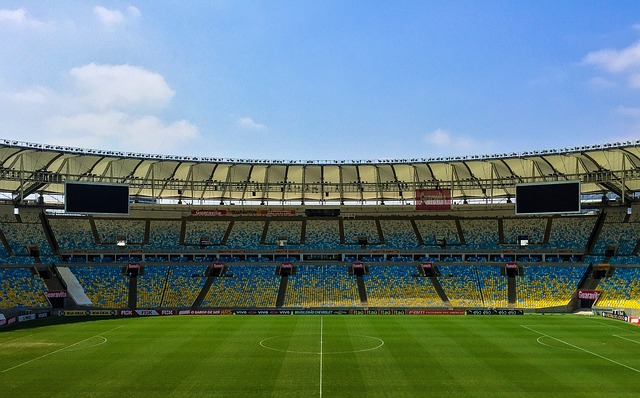
The first half of the Premier League clash between Ipswich and Wolves at Portman Road Stadium was a display of tactical prowess and missed opportunities. The atmosphere was electric, with fans from both sides filling the stadium, eager to see their teams clinch the vital three points as the season heads into its crucial stages. Ipswich, under the management of Kieran McKenna, started strongly, showing a keen desire to establish control early on. Their efforts were rewarded when Liam Delap capitalized on a well-orchestrated move, demonstrating the effectiveness of Ipswich's attack.
Despite Ipswich's early dominance, Wolves, led by Vitor Pereira, displayed resilience, controlling the ball 51% of the time and creating significant chances that hinted at a comeback. The away team's expected goals (xG) stood at 0.99 compared to Ipswich's 0.85, a testament to Wolves' attacking threat despite the deficit. The match's intensity was palpable, with both teams committing fully to every challenge and opportunity, setting the stage for an intriguing second half.
First Half Stats Chart
The second half saw a remarkable shift in momentum as Wolves took control of the game, dictating the pace and applying relentless pressure on Ipswich's defense. The strategic adjustments made by Wolves' manager Vitor Pereira at halftime were evident, with the team's ball possession soaring to 63%, a significant increase from the first half. This tactical shift allowed Wolves to create more chances, culminating in two goals that turned the match on its head.
Ipswich struggled to maintain the fluidity and aggression they had shown in the first half, with Wolves' defense effectively neutralizing their attacks. The home team's efforts were further hampered by a series of substitutions aimed at salvaging the game, but Wolves' defense stood firm, showcasing their tactical discipline and resilience.
The response from the players and fans to Wolves' comeback was a mix of frustration and admiration, with the away supporters erupting in joy as their team completed a stunning turnaround. The final whistle confirmed Wolves' victory, a testament to their strategic ingenuity and fighting spirit.
Second Half Stats Chart
The Premier League encounter between Ipswich and Wolves was a gripping affair that highlighted the tactical depth and resilience of both teams. Ipswich's early lead set the stage for a compelling match, but Wolves' remarkable comeback in the second half underscored the unpredictable nature of football. The final scoreline of 2-1 in favor of Wolves reflected the away team's superior strategy and execution when it mattered most.
The match was rich in statistical highlights, with Wolves dominating in terms of expected goals (2.72), total shots (22), and ball possession (57%). Ipswich, on the other hand, showcased their efficiency in the first half but struggled to maintain their momentum as the game progressed.
Final Stats Chart
The buildup to each goal was a display of tactical acumen and precision. Ipswich's early goal came from a structured play that caught Wolves off guard. Wolves' response in the second half, however, was a testament to their adaptability and offensive prowess. The match also saw its fair share of disciplinary actions, with yellow cards issued to key players, adding to the game's intensity.
The strategic substitutions made by both teams had a considerable impact on the match's flow. Ipswich's attempts to reinforce their defense and regain control were met with limited success, while Wolves' substitutions were pivotal in their comeback, adding fresh legs and new dynamics to their gameplay.
The performance of key players on both sides was instrumental in shaping the match's outcome. Ipswich's early aggressiveness was led by Liam Delap, whose goal set the tone for the match. Wolves' comeback was a collective effort, with the team showing remarkable cohesion and determination to overturn the deficit.
Ipswich Heatmap
Wolves Heatmap
The heatmaps reveal the strategic formations and movements that defined the match. Wolves' ability to adapt and control the game in the second half is evident in their heatmap, showing concentrated activity in the attacking third. Ipswich's heatmap, on the other hand, highlights their defensive struggles as Wolves ramped up the pressure.
Referee Peter Bankes managed the game with a keen eye, ensuring the match's flow was maintained while addressing disciplinary issues effectively. Portman Road Stadium, with its vibrant atmosphere and passionate supporters, provided the perfect backdrop for this thrilling encounter.
Kieran McKenna and Vitor Pereira's tactical approaches were on full display, with both managers showcasing their strategic depth. Pereira's halftime adjustments were particularly effective, enabling Wolves to mount a successful comeback.
Wolves' victory over Ipswich was a showcase of strategic ingenuity and resilience. The match's dynamics, from Ipswich's early lead to Wolves' stunning comeback, highlighted the unpredictable nature of football and the strategic battles that define it. As the Premier League season progresses, both teams will look to build on this experience, with Wolves' victory serving as a testament to their tactical prowess and fighting spirit.
In a thrilling match that saw Wolves clinch a victory over Ipswich with a scoreline of 2-1, both teams showcased strategic formations and player performances that were pivotal in the game's outcome. The formations chosen by both teams were indicative of their game plans and approach to this fixture.
Ipswich opted for a 4-2-3-1 formation, a versatile setup allowing for both defensive solidity and attacking options.
Ipswich Formation - 4-2-3-1
The lineup for Ipswich was as follows:
Substitutes included Jack Taylor (#14, M), Leif Davis (#3, D), Jaden Philogene-Bidace (#29, M), Conor Chaplin (#10, M), and George Hirst (#27, F), each bringing fresh dynamics to the game in their limited minutes.
Missing players due to various reasons were Chiedozie Ogbene, Sammie Szmodics, Wes Burns, Leif Davis, Omari Hutchinson, and Arijanet Murić, impacting the team's overall options and depth.
Wolves presented a 3-4-2-1 formation, focusing on a strong midfield presence to control the game's tempo and provide support to their lone striker upfront.
Wolves Formation - 3-4-2-1
The lineup for Wolves was as follows:
Substitutes who made an impact included Rodrigo Gomes (#19, M) and Pablo Sarabia (#21, F), with Sarabia scoring a goal and providing an assist, earning an 8.4 rating.
Missing players for Wolves were Matheus Cunha, Saša Kalajdžić, Yerson Mosquera, and Enso González, which could have affected their strategic options.
The match statistics provide a deeper understanding of each team's performance and strategic execution. Ipswich's goalkeeper, Alex Palmer, had a notable game with 4 saves, reflecting his importance in the team's defensive setup. Dara O'Shea's contribution was not just defensive; his assist was crucial for Ipswich's goal, highlighting his dual role in the team's strategy.
For Wolves, Rayan Aït Nouri's performance was outstanding, with his ability to create chances and assist in a goal, underscoring his role in Wolves' attacking strategy. Pablo Sarabia's late-game contributions were game-changing, with a goal and an assist that secured the win for Wolves.
The absence of key players on both sides due to injuries and other reasons undoubtedly impacted the team strategies and the match's outcome. The chosen formations, 4-2-3-1 for Ipswich and 3-4-2-1 for Wolves, were reflective of each team's approach to balance between attack and defense, with Wolves' midfield-heavy formation providing them with the edge in controlling the game's pace and ultimately securing the victory.
This match was a testament to strategic planning, player performance, and the impact of formations on the game's outcome, offering insights into the tactical dimensions that define football at this level.
In the aftermath of the recent clash between Ipswich and Wolves, the Premier League standings offer a vivid picture of the competition's intensity as we advance further into the season. The match, which concluded with Wolves securing a 2-1 victory over Ipswich, not only highlighted the competitive spirit of both teams but also had significant implications on their positions in the league table.
Wolverhampton Wanderers, with this crucial win, have gathered 32 points from 31 matches, positioning them at the 17th spot in the league. This victory is particularly vital as it helps Wolves in their battle to avoid relegation, enhancing their survival prospects with a -16 goal difference. On the other side, Ipswich Town's struggles continue as they find themselves in the 18th position, deep into the relegation zone with 20 points from 31 matches. The team's goal difference stands at -34, reflecting the challenges they've faced in both defense and attack throughout the season.
The top of the Premier League table showcases a fierce battle for supremacy and European qualification spots. Liverpool leads the charge with an impressive 73 points from 30 matches, boasting a goal difference of +43. Their closest challengers, Arsenal, sit in the 2nd position with 62 points from 31 matches and a +30 goal difference. Nottingham Forest and Chelsea occupy the 3rd and 4th spots, respectively, with Forest gathering 57 points from 30 matches and Chelsea securing 52 points from the same number of games. Both teams are in a strong position to qualify for the Champions League, given their current form and points tally.
Conversely, at the bottom of the table, alongside Ipswich, the relegation battle intensifies. Leicester City and Southampton occupy the 19th and 20th positions, with Leicester having 17 points from 30 matches and Southampton languishing at the bottom with just 10 points from 30 games. Both teams face a daunting task to retain their Premier League status, with significant improvements needed in their remaining fixtures to escape the drop.
This season's Premier League has been a rollercoaster of emotions, with teams battling fiercely for every point. The standings reflect the competitive nature of the league, where every match can significantly alter the fate of the teams involved. As the season progresses, the fight for survival and European qualification will only intensify, promising an exciting and unpredictable finale to the campaign.