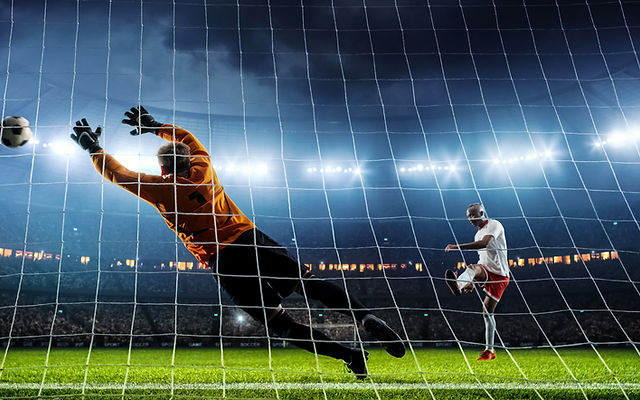
In the heart of Rome, the iconic Stadio Olimpico set the stage for a thrilling Serie A encounter between two of Italy's footballing giants, Roma and Juventus. This match promised excitement and delivered, with both teams showcasing their strengths, resulting in a 1-1 draw that kept fans on the edge of their seats until the final whistle. This intense matchup was not just a game but a testament to the competitive spirit of Serie A, highlighting the tactical battle between managers Claudio Ranieri and Igor Tudor. The game was a rollercoaster of emotions, with both teams having their moments of brilliance, ultimately sharing the spoils in a fiercely contested draw.
The first half of the match was a fascinating tactical battle, with Juventus dominating ball possession at 62%, a testament to their controlled approach to the game. Despite the possession disparity, Roma created more significant chances, signaling their intent to capitalize on counter-attacks. The atmosphere in the Stadio Olimpico was electric, with fans from both sides providing an incessant backdrop of support for their teams. Juventus managed to break the deadlock at the 40th minute, thanks to a left-footed strike from Manuel Locatelli, sending the away fans into a frenzy. Roma, undeterred by the setback, continued to press forward, creating opportunities but failing to convert. The half ended with Juventus leading 1-0, setting the stage for an intriguing second half.
First Half Stats Chart
The second half saw a rejuvenated Roma side taking the game to Juventus, with an increased urgency in their play. The home team's efforts paid off in the 49th minute when Eldor Shomurodov found the back of the net with a precise left-footed shot, leveling the scoreline and igniting the home crowd's passion. The momentum shifted towards Roma, with the game opening up and chances being created at both ends of the pitch. Juventus responded by tightening their defense and looking to hit on the break, leading to a tense and thrilling finale. Despite both teams' efforts to find a winner, the match ended in a 1-1 draw, a fair reflection of the game's ebb and flow.
Second Half Stats Chart
The match was a showcase of tactical versatility, with both teams adapting their strategies throughout the 90 minutes. Juventus' ball possession stood at 58% for the entire game, highlighting their preference for control and buildup play. However, Roma's resilience and tactical discipline allowed them to stay competitive, creating more significant chances and demonstrating their threat on the counter. The match statistics reflect a closely contested battle, with both teams having moments of dominance but ultimately unable to secure all three points.
Final Stats Chart
Substitutions played a crucial role in the match, with both managers making strategic changes to influence the game's outcome. Roma introduced fresh legs in the attack with the likes of A. Dovbyk and Z. Çelik, aiming to increase their offensive thrust. Juventus responded by bolstering their midfield and attack, bringing on M. Locatelli, N. González, and T. Weah, among others. These changes added new dynamics to the game, with substitute players contributing significantly to their teams' performance and strategy.
Key players from both sides had a significant impact on the match. Juventus' control of the midfield was largely due to Locatelli's presence, while Roma's Shomurodov was a constant threat upfront. The strategic formations, as indicated by the heatmaps, show Juventus' preference for attacking down the flanks, while Roma focused on penetrating the central areas, looking to exploit spaces behind the Juventus midfield.
Roma Heatmap
Juventus Heatmap
The Stadio Olimpico, with its rich history and vibrant atmosphere, proved to be the perfect venue for this high-stakes encounter. Its capacity of 72,698 spectators was nearly reached, with fans from both teams creating a raucous and supportive environment that added to the spectacle of the match. The stadium's design and acoustics amplified the fans' chants and cheers, making it a cauldron of passion and energy.
Claudio Ranieri and Igor Tudor, two tacticians with contrasting styles, faced off in this match, each looking to outmaneuver the other. Ranieri's experience and tactical nous were evident in Roma's disciplined setup and effective counter-attacks. In contrast, Tudor's Juventus displayed a structured possession-based game, focusing on controlling the tempo and patiently building attacks. This tactical duel between the managers added an intriguing subplot to the match, showcasing their influence on their teams' performance and approach.
The 1-1 draw between Roma and Juventus was a fair result in a match that had everything - goals, tactical battles, and end-to-end action. Both teams showed why they are considered among Italy's elite, fighting for every ball and pushing for a win until the last whistle. This match was a testament to the quality and competitiveness of Serie A, leaving fans eagerly anticipating the next encounter between these two footballing powerhouses.
In a thrilling encounter that saw Roma and Juventus share the spoils with a 1-1 draw, both teams showcased tactical nous and individual brilliance. This analysis delves into the formations, player performances, and notable absences that shaped the outcome of this high-stakes match.
Roma Formation - 3-4-2-1
Juventus Formation - 3-4-2-1
Roma, under the guidance of their manager, opted for a 3-4-2-1 formation, a setup that emphasizes width and flexibility. The starting lineup for Roma was as follows:
Substitutes who made an impact include Eldor Shomurodov (#14), who scored the equalizing goal, demonstrating the depth and versatility of Roma's squad.
Notably missing from the lineup were Alexis Saelemaekers, Paulo Dybala, and Saud Abdulhamid due to various reasons, which undoubtedly affected the team's overall dynamics.
Juventus mirrored Roma's tactical setup with their own 3-4-2-1 formation, aiming to exploit the wings while maintaining a solid defensive core. Their starting XI was:
Substitute appearances from Andrea Cambiaso and Randal Kolo Muani added fresh legs but couldn't clinch a win for Juventus.
Missing players for Juventus included Federico Gatti, Bremer, Arkadiusz Milik, and Juan Cabal, whose absence was felt, particularly in defensive solidity and attacking options.
The match was a battle of tactical wits, with both teams employing similar formations but with different approaches. Roma focused on building from the back and utilizing the width provided by their wing-backs, while Juventus aimed to exploit the spaces in midfield and transition quickly into attack.
Player performances were key, with Roma's Eldor Shomurodov coming off the bench to score a crucial goal, highlighting the depth in their squad. Juventus' Manuel Locatelli was the standout player, controlling the midfield and scoring a vital goal for his team.
The player stats reflect a tightly contested match. Roma's Mile Svilar and Juventus' Michele Di Gregorio both played pivotal roles, making crucial saves. In defense, Gianluca Mancini and Pierre Kalulu were instrumental for their respective teams, showcasing their defensive prowess. In midfield, the battle was evenly matched, with Manu Koné and Khéphren Thuram putting in tireless shifts. Upfront, despite not scoring, Stephan El Shaarawy and Nicolás González were constant threats.
This match was a testament to the tactical flexibility and depth of both squads. The absence of key players on both sides due to injuries and suspensions posed challenges, but the depth and quality within the squads allowed for a competitive and engaging match.
In the aftermath of the thrilling draw between Roma and Juventus, the Serie A standings offer a fascinating snapshot of the league's dynamics as the season progresses into its decisive phase. This encounter was not just a battle for supremacy between two of Italy's footballing giants but also a crucial match that could have significant implications for the standings, especially concerning the coveted Champions League spots.
Leading the pack is Inter, holding the pole position with an impressive tally of 68 points from 31 matches. Their journey so far has been marked by 20 victories, showcasing their offensive prowess with 69 goals scored while maintaining a solid defense by conceding only 30. Right on their heels is Napoli, with 64 points from 30 matches, indicating a close race for the title. Napoli has managed 19 wins, demonstrating a balanced approach with 47 goals scored and 24 conceded, reflecting a disciplined defensive setup alongside their attacking flair.
Atalanta sits comfortably in third place, amassing 58 points from 31 matches. Their campaign has been highlighted by an attacking philosophy, netting 63 goals, a testament to their forward line's efficiency. However, their defense has also been breached 30 times, suggesting areas for improvement. Juventus, involved in the recent standoff with Roma, finds themselves in fourth place. They have secured 56 points from 31 matches, with a record of 14 wins and an equal number of draws, which points towards a season of mixed fortunes. Their goal difference stands at +18, with 47 goals scored and 29 conceded.
The match also had implications for the European qualification spots, with both teams eyeing a place in next season's UEFA competitions. Bologna, currently in fifth place, poses a challenge for the teams directly above and below them. With 56 points from 30 matches, their performance has been commendable, scoring 50 goals and conceding 34. Lazio, not far behind, occupies the sixth spot with 55 points from 31 matches, indicating a tight contest for the UEFA Europa League and Conference League qualifications.
At the opposite end of the table, the battle to avoid relegation intensifies. Empoli, Venezia, and Monza occupy the last three positions, facing the grim prospect of relegation. Empoli, in the 18th spot, has gathered 24 points from 31 matches, with a goal difference of -23, highlighting their struggles both in defense and attack. Venezia, with 21 points, and Monza, with 15 points, are in precarious positions, indicating a need for a significant turnaround to escape the drop zone.
The draw between Roma and Juventus has left the Serie A standings finely poised, with both teams still in contention for their respective objectives. As the season heads into its final stretch, the top of the table remains tightly contested, with the Champions League spots still up for grabs. Meanwhile, the relegation battle intensifies, promising a dramatic conclusion to the league campaign. For Roma and Juventus, every match from now on is a final, with no room for error in their quest for European football next season.