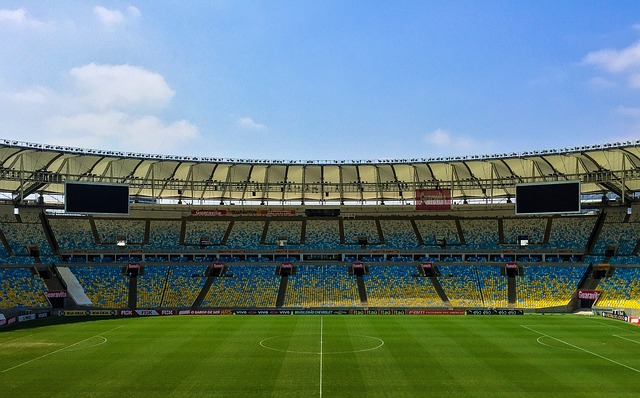
The first half of the match between Crystal Palace and Forest was a tactical battle, characterized by careful possession and strategic plays from both teams. Despite Crystal Palace playing at home, Forest managed to dominate ball possession with 56% compared to Crystal Palace's 44%. This control over the ball, however, did not translate into a significant advantage on the scoreboard, as both teams failed to break the deadlock, leaving the score at 0-0 by halftime.
Statistically, the first half was a showcase of both teams' defensive solidity and midfield battles. Crystal Palace managed to take 9 shots, with only 1 on target, demonstrating Forest's ability to keep the most dangerous attempts at bay. Forest, on the other hand, took 6 shots with the same number on target, reflecting a more cautious approach to their offensive play. The expected goals metric further illustrates the tight nature of the contest, with Crystal Palace at 0.55 and Forest at 0.30, indicating that while both teams had opportunities, clear-cut chances were rare.
The tactical discipline of both sides was evident in the number of fouls and yellow cards awarded. Forest's more aggressive style of play resulted in 1 yellow card, compared to Crystal Palace's cleaner sheet in this regard. This half also saw a total of 7 corner kicks, 3 for Crystal Palace and 4 for Forest, none of which were converted into goals but highlighted the set-piece strategies both teams were employing to try and gain an advantage.
First Half Stats Chart
The second half brought an increase in intensity and urgency from both Crystal Palace and Forest, with the game opening up more as both teams searched for the winning goal. Crystal Palace, rejuvenated and more aggressive, managed to flip the script on ball possession, controlling 56% compared to Forest's 44%. This shift in momentum was crucial and led to Crystal Palace creating more significant chances, as evidenced by their 2 big chances created in the second half.
The highlight of the second half was the goals from both teams, bringing the match to a thrilling 1-1 draw. Crystal Palace's strategy to press higher and attack more directly paid off with a penalty goal at the 60th-minute mark, showcasing their determination to utilize every opportunity. Forest responded in kind, with a beautifully executed goal from Murillo, keeping the match evenly poised till the final whistle.
Statistically, the second half was a mirror of the first in terms of the competitive nature of the game but with increased offensive output. Both teams managed to take 9 shots each, with Crystal Palace hitting the woodwork once, underscoring the narrow margins that defined this encounter. The expected goals metric for Crystal Palace rose dramatically to 1.82, reflecting their increased offensive threat, while Forest's expected goals also increased to 0.41, indicating their resilience and ability to counter-attack effectively.
Second Half Stats Chart
The match between Crystal Palace and Forest was a fascinating encounter that had all the elements of a classic Premier League game: tactical depth, defensive resilience, and moments of offensive brilliance. Ending in a 1-1 draw, both teams demonstrated their strengths and areas for improvement as they shared the spoils.
Throughout the game, ball possession was almost evenly split, with Forest slightly edging Crystal Palace with 51% overall. The expected goals metric highlighted Crystal Palace's more dangerous attacking play, with a total of 2.37 expected goals compared to Forest's 0.71, suggesting that Crystal Palace might feel they had the better chances to win the game.
The match was also a physical contest, with a total of 22 fouls committed, reflecting the intensity and competitiveness of the encounter. Corner kicks and shots on goal were other areas where both teams tried to assert their dominance, with Crystal Palace taking 6 corners to Forest's 4 and outshooting their opponents 18 to 12.
Final Stats Chart
The match's pivotal moments were undoubtedly the goals scored by both teams in the second half. Crystal Palace's penalty, expertly converted by E. Eze, and Forest's equalizer through a well-crafted move finished by Murillo, were the highlights. The disciplinary aspect of the game was also notable, with Forest accumulating 7 yellow cards, indicating a tougher, more aggressive approach to disrupt Crystal Palace's rhythm.
The goal by E. Eze from the penalty spot was a critical moment for Crystal Palace, giving them a temporary lead and shifting the match's momentum. Murillo's equalizer for Forest was not only a display of technical skill but also a testament to Forest's fighting spirit, ensuring they left with a point.
The match saw its fair share of fouls and cards, with significant incidents including yellow cards for both teams due to fouls and persistent fouling. These moments of discipline issues were crucial in breaking up play and adding to the match's overall intensity.
Substitutions played a key role in the match, with both teams making tactical changes to influence the game's outcome. Crystal Palace and Forest introduced fresh legs and different skill sets at crucial times, aiming to either protect the scoreline or push for a winning goal. The strategy behind these substitutions, especially those in the attacking positions, highlighted the managers' intent to either secure the game or chase the elusive winning goal.
The 1-1 draw between Crystal Palace and Forest was a testament to the competitive nature of the Premier League. With both teams showcasing their tactical acumen, defensive solidity, and moments of attacking flair, the match was a balanced affair that ultimately saw the points shared. As both teams look ahead, the lessons learned and the positives taken from this encounter will surely influence their approaches in the upcoming fixtures.
Crystal Palace Heatmap
Forest Heatmap
In a closely contested match that ended in a 1-1 draw, both Crystal Palace and Forest showcased their tactical flexibility and individual player strengths. The game not only highlighted the teams' current form but also brought to the forefront the strategic decisions made by the coaching staff, reflected in the chosen formations and lineups.
Crystal Palace, under the lights at Selhurst Park, opted for a 3-4-2-1 formation. This setup aimed to solidify their defense while providing width and support for their lone striker through the midfield. The lineup for Crystal Palace was as follows:
Missing players due to various reasons were Chadi Riad (D), Cheick Doucouré (M), and Matt Turner (G).
Crystal Palace Formation - 3-4-2-1
Forest responded with a 4-2-3-1 formation, a versatile structure allowing them to transition smoothly between defense and attack. The lineup for Forest was as follows:
Callum Hudson-Odoi (M) was listed as a doubtful participant for the match.
Forest Formation - 4-2-3-1
The match saw several standout performances from both sides. Crystal Palace's Eberechi Eze (#10) made significant contributions, scoring a goal and maintaining a high rating of 8.0. His expected goals (xG) of 0.8204 reflect his offensive threat throughout the match. On the defensive end, Marc Guéhi and Maxence Lacroix showcased solid performances, with Guéhi creating key passes and Lacroix making crucial clearances.
For Forest, Murillo (#5) not only scored the equalizing goal but also had an impressive defensive game, reflected in his 8.1 rating. His goal underscored his contribution at both ends of the pitch. Neco Williams (#7) provided the assist for Murillo’s goal, highlighting his role in Forest's attacking plays.
Both teams displayed tactical discipline and individual brilliance, with Crystal Palace's formation focusing on defensive solidity and counter-attacks, and Forest's setup aiming to control the midfield battle and create chances from wide areas.
The 3-4-2-1 formation chosen by Crystal Palace and the 4-2-3-1 setup by Forest highlight a contrast in tactical approaches. Crystal Palace’s formation, with three central defenders, allowed them to be more compact defensively and utilize the width provided by their midfielders to support the attack. Forest’s formation, on the other hand, offered them greater control in the midfield, with the flexibility of their attacking midfielders to support Chris Wood upfront.
Crystal Palace’s strategy to leverage Ismaïla Sarr’s pace and Eberechi Eze’s creativity was evident, with both players actively involved in offensive plays. Forest’s balanced approach, with a strong defensive line and creative midfielders like Morgan Gibbs-White and Anthony Elanga, aimed to exploit any gaps in Crystal Palace’s defense.
In conclusion, the match was a showcase of tactical nous from both teams, with players adapting well to their roles within the chosen formations. The draw was a fair result, reflecting the evenly matched performance on the day.
The recent draw between Crystal Palace and Nottingham Forest in Round 35 of the Premier League has been a crucial point for both teams as they aim to solidify their positions in the league standings. After this match, both teams have played 35 matches, with Crystal Palace securing a total of 46 points and Nottingham Forest slightly ahead with 61 points. This places Crystal Palace in the 12th position and Nottingham Forest in an impressive 6th position, highlighting Forest's strong performance throughout the season and their potential qualification for the UEFA Europa League, given their current standing.
The top four teams in the Premier League have shown exceptional form this season, with Liverpool leading the pack at the number one spot. Liverpool has amassed 82 points from 35 matches, showcasing a dominant performance with 25 wins. Following closely are Arsenal and Manchester City, with 67 and 64 points respectively, securing their spots in the Champions League next season. Newcastle United, with 63 points, occupies the fourth position, tied on points with Chelsea but ahead on goal difference, making the race for Champions League qualification intensely competitive.
At the other end of the table, the battle to avoid relegation is just as fierce. Ipswich Town, Leicester City, and Southampton occupy the last three positions, facing the threat of relegation. Ipswich Town, at the 18th position, has managed to gather only 22 points from 35 matches, while Leicester City, with 21 points, and Southampton, with a mere 11 points, are at the 19th and 20th positions respectively. The significant gaps in points and the limited number of matches remaining suggest that these teams are in dire positions as the season nears its conclusion.
The recent match at Selhurst Park, witnessed by 25,456 fans, ended in a 1-1 draw, with both teams scoring in the second half. This result reflects the competitive nature of the Premier League, where every point can significantly impact the standings. Crystal Palace, with their current position, shows a stable performance but will look to improve their standings in the remaining matches. Nottingham Forest's remarkable journey this season has been a highlight, and securing a spot in the European competition remains a realistic and achievable goal.
In conclusion, as the Premier League heads into its final rounds, the top of the table remains a battleground for Champions League qualification, while the bottom teams fight for survival. The draw between Crystal Palace and Nottingham Forest encapsulates the unpredictability and excitement of the league, with every match playing a crucial role in determining the final standings.