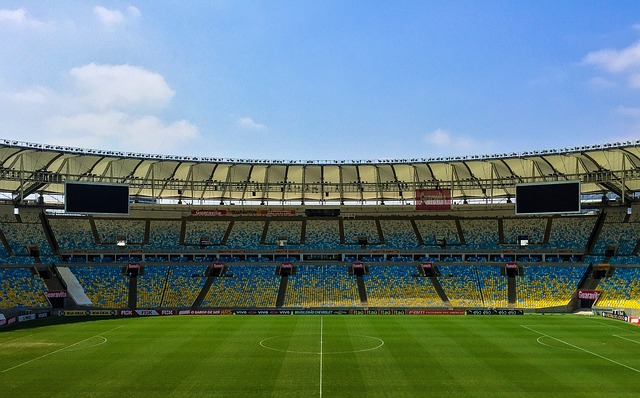
In a match that had fans on the edge of their seats, Barcelona clinched a nail-biting 4-3 victory over arch-rivals Real Madrid at the Olímpic Lluís Companys stadium. This high-octane encounter, a pivotal fixture in the LaLiga season 24/25, showcased tactical brilliance, individual prowess, and the sheer unpredictability that defines El Clásico. The victory not only provided Barcelona with crucial points but also bragging rights in one of football's most storied rivalries.
The first half of the match was a testament to Barcelona's tactical preparation under Hans-Dieter Flick. Dominating possession with 61% and creating significant chances, Barcelona seemed to be in control from the whistle. The stats highlight Barcelona's attacking intent, with 15 total shots compared to Real Madrid's 3, and a notable 5 big chances created. The expected goals metric stood at 2.67 for Barcelona, emphasizing their efficiency in front of goal.
First Half Stats Chart
The atmosphere in the stadium was electric, with fans fully aware of the importance of this fixture. Barcelona's aggressive approach paid dividends early on, as they capitalized on their chances, racing to a 4-2 lead by halftime. Real Madrid, not to be underestimated, showed flashes of brilliance and resilience, managing to keep the game within reach despite Barcelona's onslaught.
As the second half unfolded, Real Madrid, led by Carlo Ancelotti, attempted to mount a comeback. The momentum shifted slightly, with Real Madrid improving their ball possession to 47% and creating opportunities to unsettle Barcelona. However, Barcelona's defense stood firm, absorbing the pressure and strategically managing the game to maintain their lead.
Second Half Stats Chart
The tactical battle between Flick and Ancelotti was evident, with both teams making critical adjustments. Substitutions played a key role in the dynamics of the second half, with Barcelona introducing fresh legs to maintain their defensive solidity and Real Madrid seeking to inject creativity and goal-scoring threat.
The match statistics provide a comprehensive view of Barcelona's victory. Dominating ball possession with 61% throughout the game and an expected goals (xG) of 2.67, Barcelona's attacking prowess was on full display. The team created a total of 5 big chances, showcasing their ability to break down Real Madrid's defense. On the defensive end, Barcelona managed to keep a clean sheet in terms of goalkeeper saves, highlighting their efficiency in both attack and defense.
Final Stats Chart
The match was punctuated by key moments that swayed its outcome. Barcelona's goal-scoring incidents were a blend of tactical build-up play and individual brilliance, with players like Raphinha and Ferran Torres playing pivotal roles. The card incidents, including yellow cards for Iñigo Martínez and Raúl Asencio, reflected the intense nature of the clash, with both teams not shying away from physical battles.
Substitutions made by both teams showcased the strategic depth and the intent to either secure the lead or chase the game. Notably, Barcelona's decision to introduce fresh defenders helped in maintaining their slender lead amidst Real Madrid's relentless pressure.
The heatmaps for both teams offer insights into their tactical approaches and pitch coverage. Barcelona's heatmap indicates a concentrated effort in attacking down the flanks, particularly on the left side, aligning with their tactical setup to exploit space behind Real Madrid's defense.
Barcelona Heatmap
Real Madrid's heatmap, on the other hand, shows a more dispersed approach, with efforts to penetrate Barcelona's half through the middle and the flanks, highlighting their attempt to find breakthroughs from varied positions.
Real Madrid Heatmap
This match was a showcase of Barcelona's tactical acumen, resilience, and the ability to execute a game plan effectively. The 4-3 victory over Real Madrid not only secures crucial points in the LaLiga title race but also serves as a statement of intent from Hans-Dieter Flick's side. As the season progresses, the implications of this victory could be monumental for Barcelona, reaffirming their status as title contenders and adding another memorable chapter to the storied rivalry of El Clásico.
Barcelona opted for a 4-2-3-1 formation in this high-octane clash against Real Madrid, a decision that significantly influenced the game's dynamics. The choice of this formation allowed Barcelona to maintain a solid defensive structure while providing ample support to their attacking endeavors. The lineup included key players such as Wojciech Szczęsny in goal, a defensive quartet of Eric García, Pau Cubarsí, Iñigo Martínez, and Gerard Martín, with Frenkie de Jong and Pedri orchestrating the midfield. Lamine Yamal, Dani Olmo, and Raphinha supported Ferran Torres, the lone striker, from behind.
Barcelona Formation - 4-2-3-1
The standout performers for Barcelona were Raphinha, who scored twice, showcasing his attacking prowess and critical role in the team's offensive plays. Ferran Torres, despite not finding the back of the net, contributed with three assists, a testament to his vision and playmaking abilities. Lamine Yamal also made a significant impact by scoring a goal and being a constant threat in the midfield. Eric García's goal from the defense highlighted Barcelona's all-around threat on the pitch. The team's formation and tactics facilitated a high pressing game, enabling them to retain possession and create numerous scoring opportunities.
Real Madrid mirrored Barcelona's formation with a 4-2-3-1 setup, aiming to counter Barcelona's midfield dominance and create spaces for counter-attacks. The lineup featured Thibaut Courtois as the goalkeeper, Lucas Vázquez leading the defense as the captain, and a midfield contingent led by Federico Valverde and Jude Bellingham. The attacking responsibilities were shouldered by Vinícius Júnior and Kylian Mbappé, with the latter positioned as the focal point of Real Madrid's attack.
Real Madrid Formation - 4-2-3-1
Kylian Mbappé was the standout player for Real Madrid, scoring two goals and proving why he is considered one of the best forwards in the world. His pace, agility, and clinical finishing were on full display, causing constant problems for Barcelona's defense. Vinícius Júnior, despite not scoring, provided an assist and was instrumental in creating chances, highlighting the effectiveness of Real Madrid's attacking lineup. The strategic use of this formation allowed Real Madrid to maintain a balanced approach, focusing on both defense and attack, but ultimately, they fell short against Barcelona's relentless pressure.
Both teams were without several key players due to various reasons, which could have influenced the match's outcome. Barcelona missed the services of Jules Koundé, Alejandro Balde, Marc Casadó, Marc Bernal, Pablo Torre, and Robert Lewandowski. Real Madrid, on the other hand, was without Antonio Rüdiger, Daniel Carvajal, Éder Militão, Ferland Mendy, Eduardo Camavinga, and David Alaba. The absence of these players meant both teams had to adjust their usual game plans and rely on their squad depth to fill the gaps.
The match was a thrilling encounter, with Barcelona edging out Real Madrid in a closely contested battle. The chosen formations and tactics by both teams played a crucial role in the match's dynamics, with Barcelona's 4-2-3-1 formation slightly outperforming Real Madrid's mirrored setup. The performances of key players such as Raphinha for Barcelona and Kylian Mbappé for Real Madrid were instrumental in their respective teams' attacking plays. The absence of several key players on both sides added an extra layer of challenge, but it also provided an opportunity for other players to step up and make their mark on the game.
In a thrilling encounter that saw Barcelona emerge victorious over Real Madrid with a scoreline of 4-3, the LaLiga standings have seen some interesting shifts. With 35 rounds of matches played, Barcelona continues to lead the pack, sitting comfortably at the top with 82 points. Their impressive tally comes from winning 26 matches, drawing 4, and losing 5, boasting a goal difference of +60, the highest in the league, with 95 goals scored against 35 conceded. This victory not only cements their position at the top but also significantly boosts their chances of clinching the LaLiga title.
Real Madrid, despite the loss, holds the second spot in the standings with 75 points. Their journey so far includes 23 wins, 6 draws, and 6 losses. With 71 goals for and 37 against, they have a goal difference of +34. This defeat might have dented their title aspirations but they remain a strong contender for the Champions League spots, given their performance throughout the season.
The third place is occupied by Atlético Madrid, who have amassed 70 points from 20 wins, 10 draws, and 5 losses. Their defensive prowess is highlighted by conceding only 27 goals, the second-lowest in the league, while scoring 60. Athletic Club rounds off the top four with 61 points from 34 matches, indicating a game in hand compared to their direct competitors. Their record includes 16 wins, 13 draws, and 5 losses, with a goal difference of +24.
On the other end of the table, the relegation battle intensifies. Leganés, in the 18th position, are staring at relegation with 34 points from 35 matches, having won 7, drawn 13, and lost 15, with a goal difference of -18. Las Palmas and Real Valladolid occupy the 19th and 20th spots, respectively, with Las Palmas at 32 points and Valladolid at a mere 16. Las Palmas have 8 wins to their name, while Valladolid has struggled throughout the season, managing only 4 victories. Both teams face a daunting task in their bid for survival, with the latter almost certain to face the drop.
The dynamics of LaLiga's top and bottom four paint a picture of intense competition, with every match playing a crucial role in determining the final standings. Barcelona's lead gives them a significant advantage, but the battle for Champions League spots and survival at the bottom will undoubtedly keep fans on the edge of their seats as the season approaches its climax.