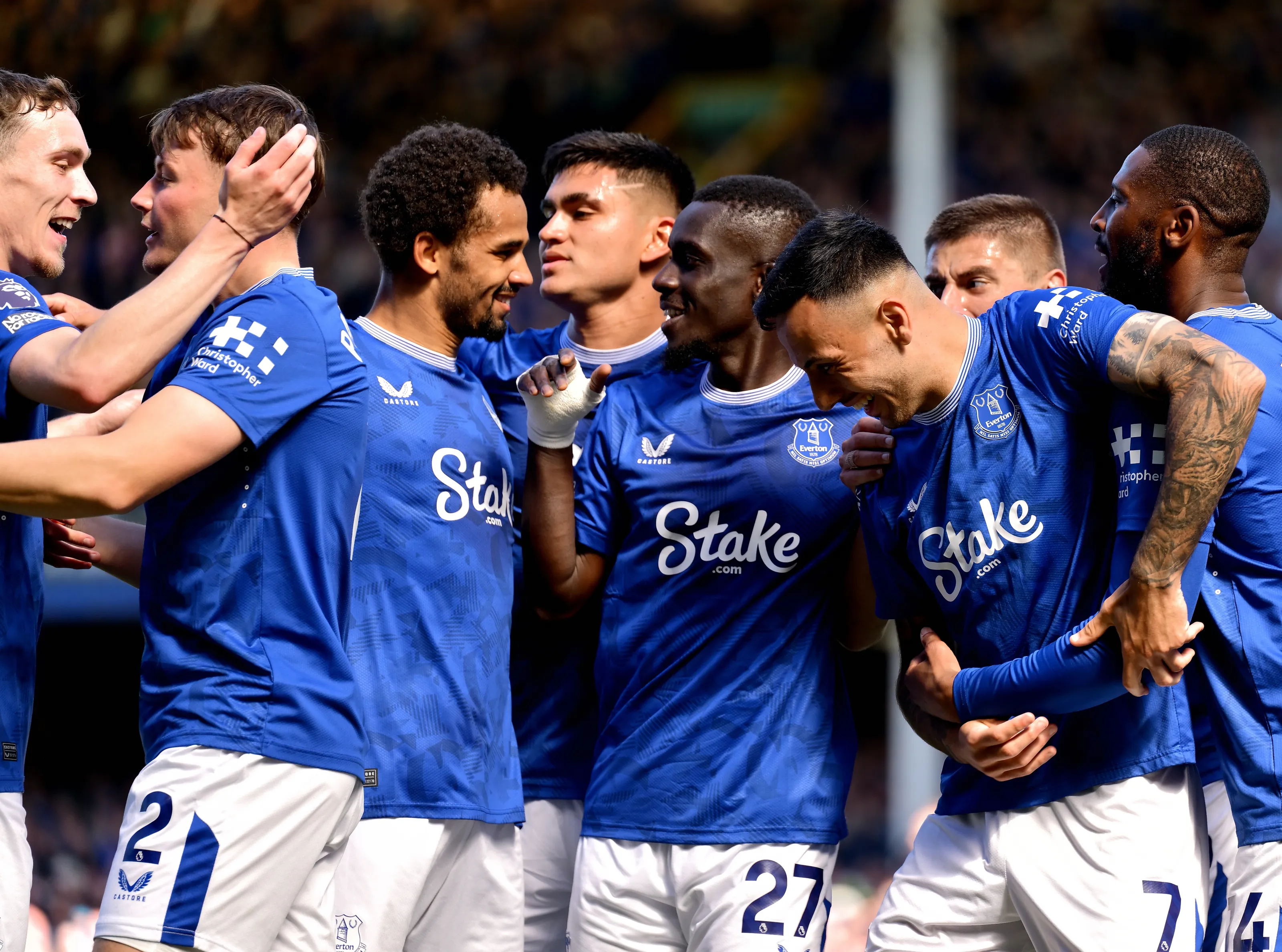
When David Moyes returned to Everton in January, the club were just one point above the relegation zone. Eight months later, the transformation is remarkable. The Toffees have avoided the drop by a comfortable 23-point margin, moved into the state-of-the-art Hill Dickinson Stadium, and overseen a record-breaking summer of recruitment with nine new arrivals.
Since the beginning of May, no Premier League side has earned more points than Everton, who now sit fifth in the table. BBC Sport analyses the key factors behind their resurgence.
Everton faced a daunting task this summer after losing nine senior players, including Abdoulaye Doucouré, Dominic Calvert-Lewin, Jack Harrison and Ashley Young. Moyes’ response was decisive: a net spend of £97m on nine signings – the highest in the club’s history and greater than their combined outlay over the previous seven summers (£71m).
Should the loan of Merlin Röhl from Freiburg be made permanent at £17m, the figure could rise to £114m. By comparison, Everton’s net spend during Carlo Ancelotti’s 2020 rebuild was £77m, while the 2017 splurge of £140m was offset by Romelu Lukaku’s £75m sale, reducing net outgoings to just £48m.
Former midfielder Leon Osman praised the club’s intent:
“For one window it’s outstanding. Yes, another defender and a proven striker would help, but it’s exciting times for everyone.”
After years of financial strain and repeated breaches of profit and sustainability regulations (PSR), Everton’s fiscal outlook has improved significantly:
This combination of austerity, ownership change, and revenue growth created a platform for the record-breaking summer.
Everton’s previous transfer policy was wasteful, with eight signings over £20m leaving on free transfers under Farhad Moshiri – a combined £188m loss. This summer marked a reset, focusing on both quality and sustainability.
The marquee addition was Jack Grealish on loan from Manchester City, who has already produced four assists in two league appearances – matching his tally from the previous 191 games. Osman described him as:
“Arguably the best signing of any club this summer.”
Other new faces include:
Just as importantly, Everton retained senior figures Seamus Coleman and Michael Keane, with the latter excelling this season.
Moyes has emphasised character and leadership in his recruitment. Osman highlighted the importance of balance:
“These players bring energy, professionalism, and standards. They will be good in the dressing room.”
The squad now blends emerging talent with experienced leaders, avoiding the instability that has plagued past rebuilds.
Despite heavy spending, Everton still ranked only seventh for net expenditure this summer – £24m behind Manchester City – a sign that the club’s strategy is ambitious but not reckless.
Performance data also reinforces their progress: Opta metrics show Everton are outperforming their expected points total more than any side except Liverpool.
For Moyes, expectations are climbing rapidly. Osman believes a trophy – the club’s first since the 1995 FA Cup – is a realistic ambition:
“Mid-table would be progress, but Evertonians want silverware. Moyes would love to deliver that.”
Everton’s revival is the product of astute financial restructuring, disciplined but ambitious spending, and a sharper recruitment strategy under Moyes’ leadership. With momentum building on the pitch and stability restored off it, the club appears well-placed to re-establish itself as a serious force in English football.