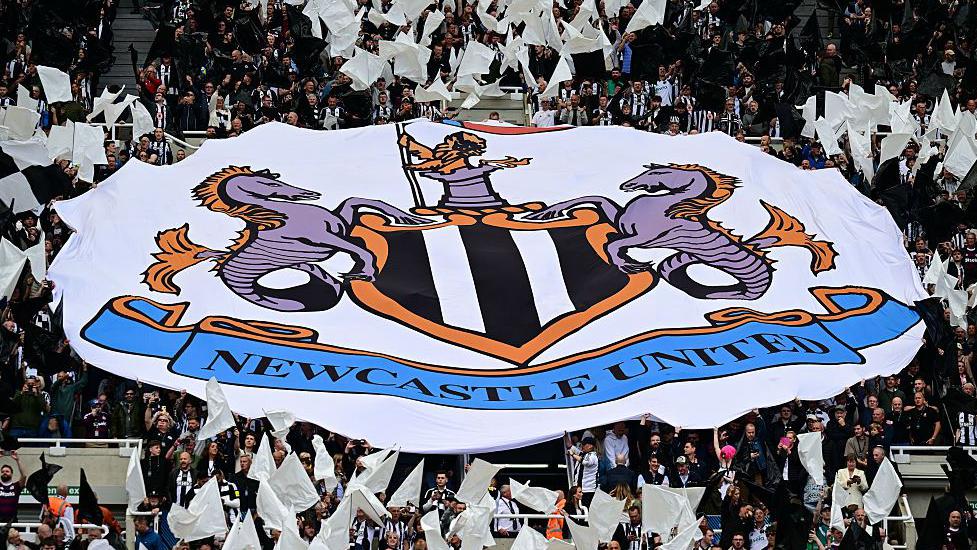
Newcastle United have apologised to supporters and cancelled more than 100 season tickets after uncovering a long-standing arrangement that allowed tour organisers to resell seats at St James’ Park. The club described the situation as an “oversight” that went undetected for nearly a decade.
The controversy intensified last week when it emerged that the High School of Dundee, located almost 200 miles away, had acquired 45 tickets for Thursday’s Champions League tie against Barcelona—a fixture for which more than 110,000 fans had queued online for limited availability. The tickets were later voided by the club.
When Newcastle’s ownership changed four years ago, the club formally ended all agreements with third-party ticket sellers. However, investigations revealed that a small group of tour organisers, originally authorised in the 2015-16 season to facilitate group trips, continued to use season tickets without a binding contract in place.
These tickets were subsequently resold as part of “higher package” deals, effectively bypassing official club channels. Newcastle insist they did not benefit financially beyond the face value of the season tickets and emphasised that supporters were not at fault in this case.
“Upon being made aware of this issue, the club took immediate action,” a statement read. “We want to be fully transparent and apologise for this oversight. The affected tickets have been cancelled and returned to the official ballot for upcoming fixtures.”
In total, 103 season tickets have been revoked in recent days. The club stressed that this matter does not relate to individual supporters reselling tickets on unofficial platforms, but specifically to the misuse of long-standing tour allocations.
The incident highlights broader tensions around ticket availability at St James’ Park, where demand has surged dramatically since the club’s return to the Champions League. The Newcastle United Supporters’ Trust (NUST) has previously warned against profiteering by third parties, arguing that it undermines fair access for ordinary fans.
In a statement last week, NUST welcomed the club’s “visible action to deter and penalise” those exploiting demand, but reiterated concerns about affordability and scarcity. “Along with rising ticket prices, reduced availability due to unauthorised sales remains one of the biggest issues for supporters,” the Trust said.
For Newcastle, the episode is a reminder of how legacy arrangements can resurface at the highest-stakes moments. With demand for tickets only set to grow as the club deepens its European campaign, maintaining transparency and fan trust will remain a central challenge.