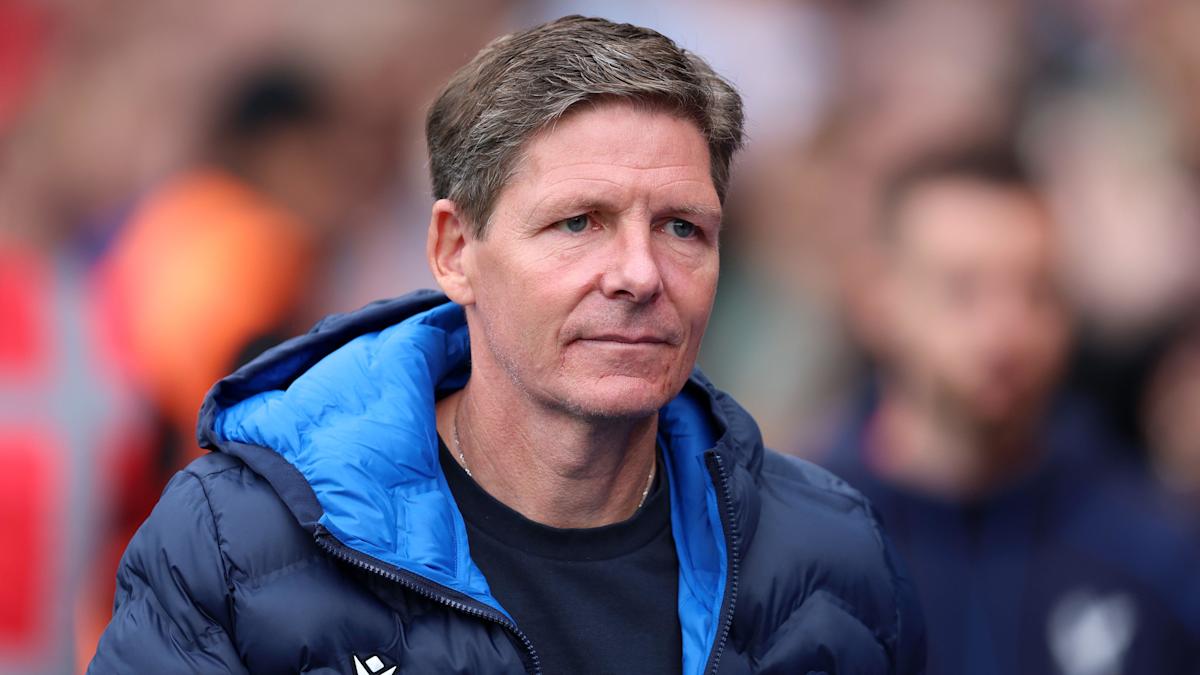
Crystal Palace are enjoying one of the most successful periods in their history. Their long-awaited European debut begins on Thursday against Dynamo Kyiv in the Conference League, excitement still lingers from last season’s FA Cup triumph, and August’s Community Shield victory over Liverpool underlined their growing stature. An unbeaten start to the Premier League campaign has them sitting third — a remarkable rise for a club once content with mid-table security.
Yet, amid the optimism, significant uncertainty looms over Selhurst Park — and at its heart is manager Oliver Glasner, the architect of Palace’s transformation.
Several crucial components of this Palace side face uncertain futures. Captain Marc Guehi, a cornerstone of the club’s defensive strength, is into the final nine months of his contract and is widely expected to leave on a free transfer next summer. Adam Wharton, the team’s standout playmaker, is also attracting attention from Europe’s biggest clubs.
Most pressing, however, is the future of Glasner himself. The Austrian manager, whose current contract also expires at the end of the season, has yet to sign an extension. Despite being offered new terms earlier this summer, he has opted to wait, reportedly wanting to assess the club’s ambition during the transfer window before committing his future.
Glasner’s story is already well documented. A near-fatal brain haemorrhage at age 37 ended his playing career but propelled him into coaching, where he quickly earned a reputation as one of Europe’s most tactically astute minds. His arrival at Palace marked a turning point, turning a team battling for survival into genuine contenders for domestic and European honours.
It is precisely because of this success that his potential departure carries such weight. Sources close to the club indicate that Glasner was frustrated by Palace’s summer business. The club recorded a £16.3 million profit and made five signings — but only Yeremy Pino has started a Premier League match. Compounding matters was the disappointment of being demoted from the Europa League for breaching multi-club ownership regulations.
These issues have left Glasner hesitant to commit, fuelling speculation about whether he can be persuaded to remain beyond this season.
There is still hope at Palace that Glasner could be convinced to stay, though optimism is tempered. Insiders admit the manager’s faith in the club’s long-term ambitions has been shaken by what he perceives as a lack of support in the transfer market. Greater influence over recruitment could yet sway him — though Glasner already wields significant authority, having personally blocked Guehi’s proposed deadline-day move to Liverpool, despite the clubs agreeing a fee.
The appointment of Matt Hobbs, formerly of Wolves, as sporting director adds another layer to the situation. Hobbs, who replaces Dougie Freedman, is expected to reshape the club’s recruitment strategy. How his vision aligns with Glasner’s will be pivotal in determining whether the Austrian remains.
Palace must also navigate significant squad decisions in the coming months. Guehi’s expected departure means a new central defender will be required without the benefit of a transfer fee. The club remains keen to extend Wharton’s contract, which runs until 2029, potentially inserting a release clause exceeding £75 million to balance player ambition with club security. They are also monitoring Kees Smit, AZ Alkmaar’s promising 19-year-old midfielder, as part of future planning.
However, Glasner may question the club’s competitiveness if he is forced to continue without Guehi, Wharton, or the already departed Michael Olise and Eberechi Eze.
Glasner’s work at Selhurst Park has not gone unnoticed. Manchester United would consider him a candidate if they part ways with Ruben Amorim, while Bayern Munich, who failed to land him in 2024, remain attentive — though Vincent Kompany’s position is currently secure.
Despite being widely regarded as one of Europe’s best out-of-possession coaches, questions remain about how Glasner might adapt his style at a club expected to dominate possession.
For all the allure of bigger jobs, Glasner has built something special at Palace. His bond with the players, the trust of the supporters, and the club’s newfound identity have created a rare sense of momentum. A potential Champions League qualification could further complicate his decision and offer reasons to stay.
Palace know they are unlikely to keep Glasner forever. But they also understand the unique challenge — and opportunity — that lies ahead: convincing the most important figure in their modern history that Selhurst Park remains the best stage for his ambitions, even as Europe’s elite come calling.