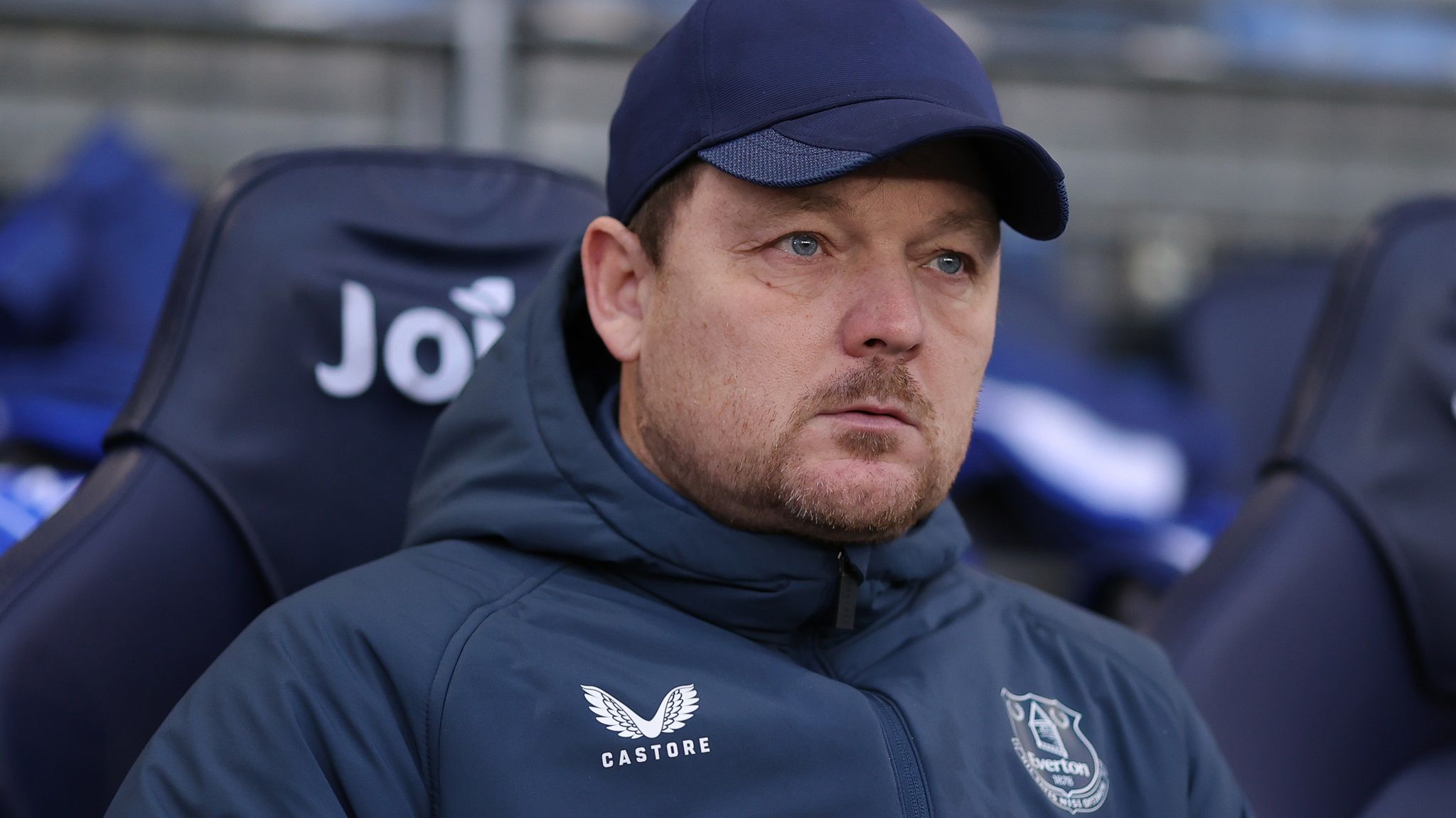
Everton have dismissed women’s team manager Brian Sørensen just days after securing their first home victory of the Women’s Super League season, a decision that underscores the club’s wider concerns over on-pitch direction rather than short-term results.
Sørensen, appointed in 2022, leaves with Everton sitting fourth from bottom in the WSL table. Sunday’s 2–1 comeback win over Aston Villa at Goodison Park — sealed by two Martina Fernández goals, including a dramatic 89th-minute winner — moved the Toffees four points clear of bottom-placed Liverpool, but proved insufficient to secure his position.
“Sunday’s first win of the season at Goodison Park was important, but it has become evident that a change of direction is necessary to ensure the progression on the pitch we are all striving for,” Everton chief executive Angus Kinnear said in a statement.
First-team coaches Stephen Neligan and Ashley Toole have also departed the club. Under-18s coach Scott Phelan, 37, will take interim charge of the women’s team for the remainder of the campaign, supported by first-team coach Jennifer Foster and goalkeeping coach Ian McCaldon.
The timing of Sørensen’s dismissal has raised eyebrows, arriving shortly after the transfer window closed and following the addition of Roma midfielder Zara Kramžar. Sørensen had played a key role in recruitment, with several signings over the past two windows tailored to his tactical preferences.
However, the sense that a change was inevitable had been building internally for some time. Supporter frustration has grown amid inconsistent performances, frequent tactical experimentation and uncertainty over Sørensen’s preferred starting XI. Players have often been deployed out of position, contributing to a lack of cohesion across the season.
To Sørensen’s credit, his adaptability proved valuable last year, when Everton navigated an injury-hit campaign with a depleted squad during the prolonged takeover process involving the Friedkin Group. That context earned him goodwill and highlighted his coaching acumen.
This season, however, expectations shifted. Increased investment and improved squad depth raised ambitions of pushing further up the table. Instead, Everton found themselves drawn into a relegation battle they had hoped to avoid.
The club’s decision reflects a belief that decisive action now offers the best chance of stabilising their league position before embarking on a more comprehensive rebuild in the summer. Sørensen’s tenure demonstrated his potential, but the inability to establish consistency ultimately undermined progress at a time when Everton were seeking clarity and upward momentum.