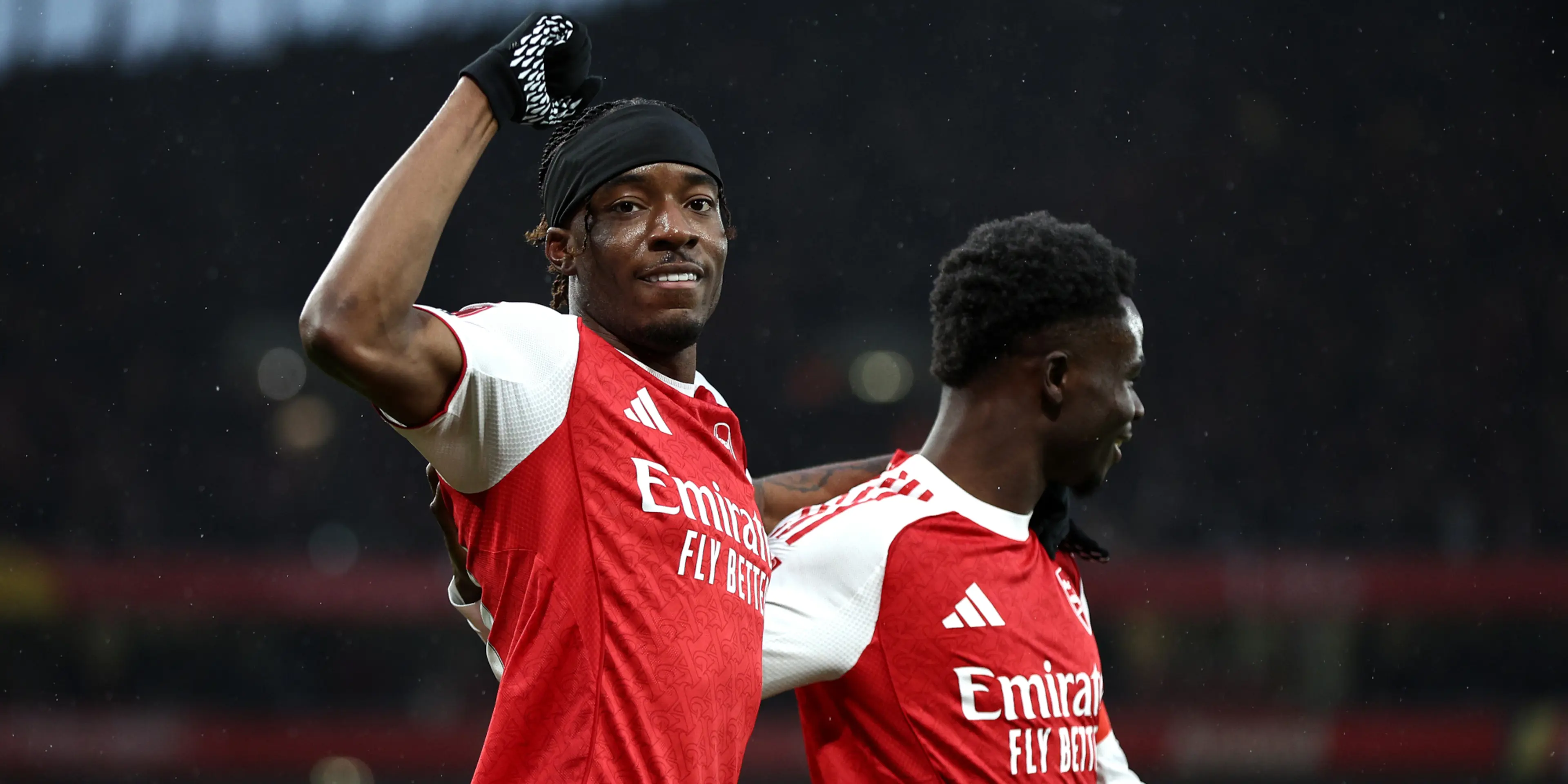
Arsenal appeared to be navigating another decisive step in the title race when they established a two-goal advantage at Molineux. With momentum building and control firmly in their hands, the scenario suggested a side capable of managing both the occasion and the opposition.
Yet elite football rarely unfolds in straight lines.
Despite sitting at the foot of the table, Wolverhampton Wanderers refused to conform to the script. As Arsenal’s tempo dipped and Wolves intensified their press, the dynamic shifted. What had looked composed began to feel fragile. The home crowd sensed opportunity, and with it came pressure—territorial, emotional and tactical.
The turning point arrived deep into stoppage time. Under sustained pressure, Riccardo Calafiori attempted to deal with a dangerous ball into the area but instead diverted it past his own goalkeeper. The 94th-minute own goal not only erased Arsenal’s lead, it redefined the narrative of the match.
From Arsenal’s perspective, the damage was immediate and substantial. A commanding performance for large spells yielded only a single point. In a title race measured by fine margins, the swing from three points to one carries disproportionate weight—both numerically and psychologically.
For Calafiori, the moment will inevitably be scrutinised. Slow-motion replays and post-match analysis tend to isolate the final touch, but such incidents are rarely born from individual ineptitude. They are often the product of accumulated pressure—fatigue, defensive disorganisation and split-second decision-making in high-stakes environments.
Positionally, he was where a defender is expected to be. The execution, however, fell victim to the chaos that defines late-game defending. At the highest level, marginal deflections and minor miscalculations can alter not just a result, but the trajectory of a campaign.
In the wider context, this draw may resonate beyond the scoreboard. Arsenal missed an opportunity to assert authority in the title race, and the psychological aftershock of conceding in such fashion can linger. Momentum, once lost, is not easily reclaimed.
For Wolves, the late equaliser represented resilience and belief—evidence that intensity and persistence can destabilise even the league’s strongest contenders. For neutrals, the match served as a reminder of football’s essential unpredictability: control is never absolute, and until the final whistle, chaos remains a possibility.