Football clubs across Europe are increasingly investing in new stadiums and large-scale redevelopments as they look to diversify revenue streams amid slowing growth in domestic television broadcasting deals.
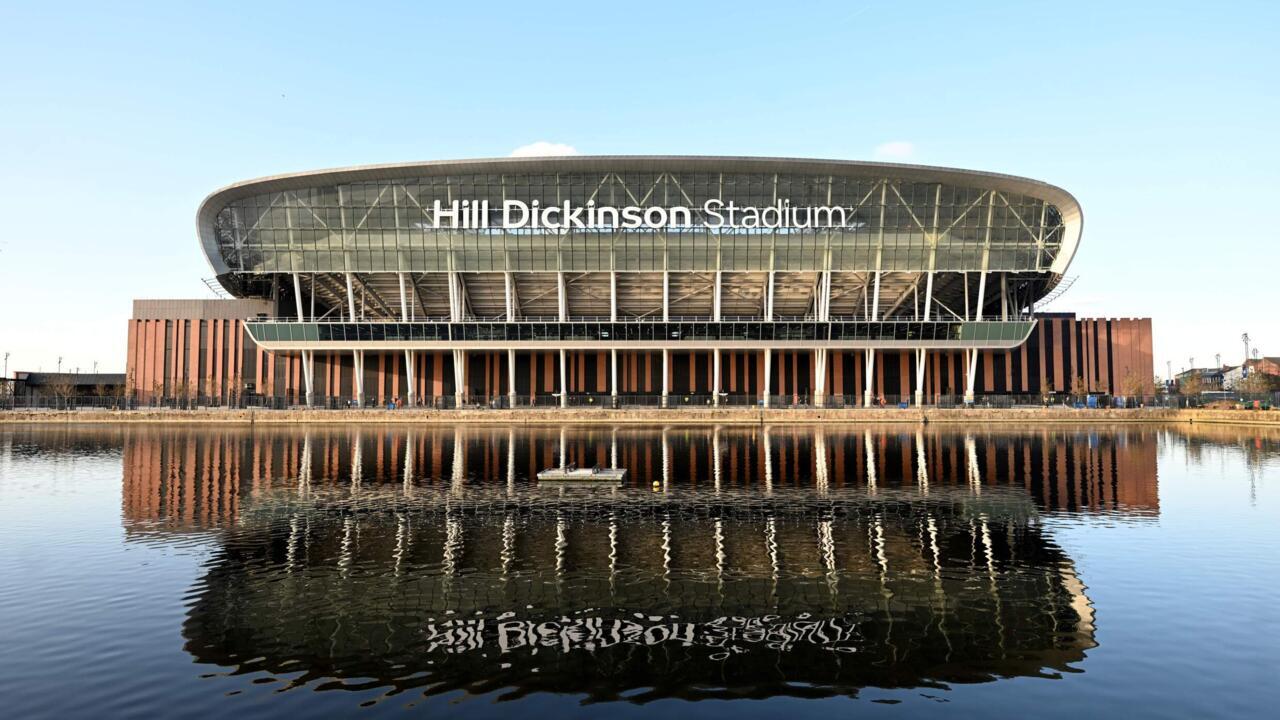
In Liverpool, Everton’s newly built stadium on the city’s former docklands has already become a focal point for supporters. Fans gather in nearby restaurants and bars before Premier League fixtures, highlighting how modern stadium developments are designed to extend the matchday experience well beyond the 90 minutes on the pitch.
Across the continent, leading clubs are modernising historic venues or constructing larger, multi-purpose arenas. According to a recent report from European football’s governing body UEFA, these projects are helping drive higher revenues through improved hospitality facilities, enhanced sponsorship opportunities and increased ticket sales, particularly through premium seating and VIP packages.
For global heavyweights such as Manchester United, Barcelona, Real Madrid, Paris Saint-Germain and the Milan clubs, large-scale infrastructure investment is increasingly seen as essential to maintaining their position among the world’s richest teams.
At the same time, clubs with more modest resources—such as Leeds United in England and Spain’s Getafe—are also pursuing stadium upgrades in order to remain competitive in leagues where player salaries and transfer fees continue to rise sharply.
Everton moved into their new £800-million ($1.1-billion) Hill Dickinson Stadium in August after spending 133 years at their historic Goodison Park home.
For supporters, the change represents a significant improvement in facilities and matchday experience. The new stadium accommodates nearly 53,000 fans, compared with just under 40,000 at Goodison Park.
Long-time supporter Dave Brown, 71, described the move as a major improvement.
“It’s such a vast upgrade,” Brown told AFP while preparing to watch Everton face Burnley. “Goodison Park had become tired, and there were areas where you couldn’t see the whole pitch.”
Located on the banks of the River Mersey, the stadium has been designed as a year-round entertainment destination. Fans often arrive hours before kick-off to enjoy food, drinks and live entertainment at the outdoor Budweiser Plaza.
According to Everton’s chief real estate and regeneration officer Colin Chong, the project is intended to transform the stadium into a multi-purpose venue capable of hosting international sporting events, conferences and concerts while meeting modern environmental and acoustic standards.
“We have the opportunity to make this a 365-day-a-year venue,” Chong said. “If we hadn’t moved, we wouldn’t have been able to deliver the growth plans required for the club to compete at the top level again.”
Everton have also secured a naming-rights agreement with local law firm Hill Dickinson reportedly worth around £10 million per year. Beyond football, the development is expected to drive wider regeneration in the surrounding area through new housing, retail and leisure facilities.
The shift toward stadium investment also reflects changing dynamics in football’s financial ecosystem.
Manuel Gutierrez, vice president of European asset finance at Morningstar DBRS, said clubs are increasingly focusing on matchday and commercial income due to uncertainty around broadcasting revenue growth.
“Stadium developments are becoming more important because of the situation with television media rights,” Gutierrez explained.
While the English Premier League recently secured a record £6.7-billion domestic broadcasting agreement running until the 2028–29 season, the increase was significantly smaller than previous deals. Factors such as reduced competition among broadcasters and the impact of digital piracy have contributed to the slower growth.
Elsewhere in Europe, the picture varies widely. Spain’s LaLiga has secured moderate increases in its next television deal, whereas France’s Ligue 1 has experienced a sharp decline in broadcasting income—an issue partly attributed to PSG’s continued domestic dominance.
At the same time, fan behaviour is evolving. Supporters increasingly view attending matches as a broader entertainment experience, encouraging clubs to invest in premium hospitality, retail and leisure offerings within stadium complexes.
Tottenham Hotspur’s move into their new stadium in 2019 provides a clear example of this trend. According to UEFA, the London club’s ticketing revenues have increased by more than 300% over the past decade, largely driven by premium seating, VIP packages and hospitality services.
Everton’s stadium development is part of a wider wave of infrastructure projects across European football.
Liverpool recently completed a major expansion of Anfield, increasing its capacity to more than 61,000. Meanwhile, Manchester United are exploring plans to build a £2-billion stadium capable of hosting 100,000 supporters.
In Spain, Real Madrid and Barcelona have each undertaken redevelopment projects worth approximately €1.5 billion ($2 billion) at the Santiago Bernabéu and Camp Nou respectively.
According to UEFA, these renovations have each added more than €100 million to the clubs’ fixed asset values—figures comparable to the financial impact of Everton’s stadium project.
Elsewhere, AC Milan and Inter Milan are working toward a redevelopment of the San Siro, while Paris Saint-Germain are considering a new stadium that could exceed the 80,000-seat capacity of Stade de France.
Despite the financial benefits of these projects, supporters often measure the stadium experience by one simple factor: results on the pitch.
Everton’s 2-0 victory over Burnley provided fans with their first win at the new ground this year—an outcome that ensured the stadium’s impressive facilities were matched by a positive matchday atmosphere.