The Premier League’s global appeal continues to be underpinned by full stadiums and high-energy atmospheres, but escalating ticket prices are placing increasing financial pressure on supporters as clubs seek new revenue streams.
A recent report by UEFA revealed that England’s “Big Six” — Arsenal, Chelsea, Liverpool, Manchester City, Manchester United and Tottenham Hotspur — generated nearly 20% more revenue from matchday ticket sales during the 2024/25 season compared to the previous year.
While broadcasting rights and commercial sponsorships remain the primary sources of income, the relative slowdown in TV revenue growth has prompted clubs to focus on maximising matchday earnings. This has included significant investment in stadium redevelopment projects aimed at enhancing fan experience and increasing capacity.
However, these upgrades have come at a cost to supporters—particularly local fans—as clubs increasingly target higher-spending tourists. At Fulham, for example, the redevelopment of the Riverside Stand has introduced premium amenities such as rooftop facilities and high-end hospitality offerings. Yet, season ticket prices have risen sharply, reaching as much as £3,000.
Simon Duke of the Fulham Supporters’ Trust acknowledged the value of such developments but emphasised concerns around accessibility, urging the club to balance premium offerings with affordability for traditional match-going fans.
Liverpool recently faced backlash after announcing ticket price increases in line with inflation for the next three seasons. Supporters’ group Spirit of Shankly criticised the move, arguing it overlooks the club’s core fanbase.
The expansion of Anfield to a capacity of 61,000 has further enabled Liverpool to adopt a flexible ticketing model. With approximately 34,000 season tickets available, nearly half of matchday tickets are sold individually—often to visitors willing to spend more on associated experiences such as merchandise and hospitality.
Football finance expert Kieran Maguire highlighted the economic rationale behind this strategy, noting that clubs can generate significantly higher per-capita revenue from occasional visitors compared to long-standing supporters.
This trend is further illustrated by premium hospitality pricing, with top-tier packages for high-profile fixtures—such as Manchester City versus Arsenal—reaching as high as £5,500 per match.
Campaign group Fair Game has warned of the long-term risks associated with this approach. Chief executive Niall Couper cautioned that prioritising short-term revenue gains could undermine clubs’ connections with their local communities and long-term sustainability.
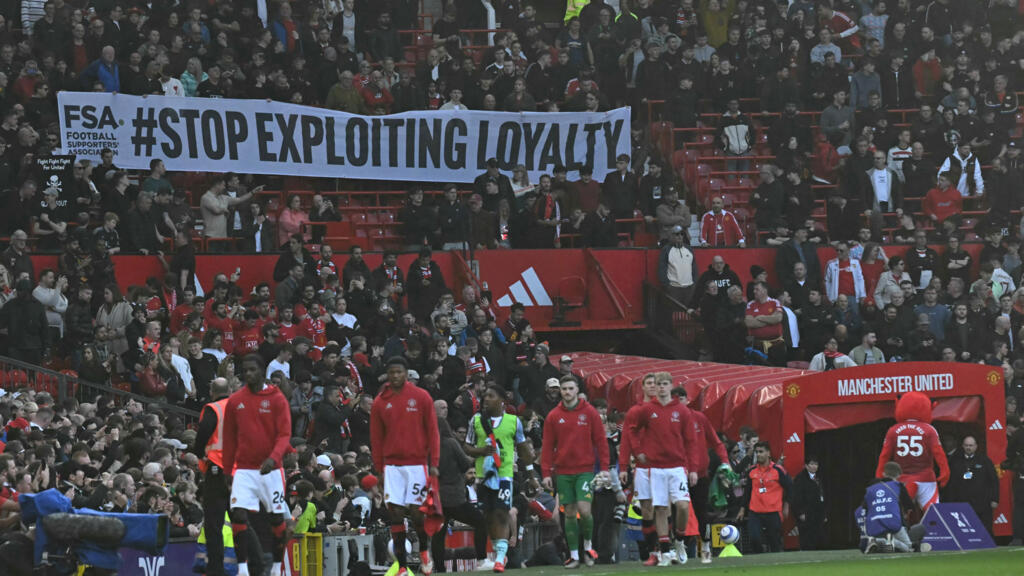
Supporters are also being impacted by reduced concessions. Manchester United, for instance, has implemented a third consecutive annual increase in season ticket prices, while also scaling back senior citizen discounts for certain categories.
Fan groups representing both Manchester United and Liverpool have previously united under the “Stop Exploiting Loyalty” campaign, highlighting growing dissatisfaction among core supporters.
Despite these concerns, Premier League clubs continue to report strong attendance figures, with stadiums operating at close to full capacity and average crowds exceeding 40,000 last season.
However, early signs of strain are emerging. Tottenham Hotspur have recently struggled to fill their 63,000-seat stadium for European fixtures amid poor on-field performance, prompting concerns about declining accessibility and atmosphere.
Supporters’ organisations have warned that pricing out younger and local fans risks diminishing the matchday experience, with reduced crowd intensity potentially impacting the league’s defining atmosphere.
Ultimately, football’s enduring cultural significance in England continues to sustain demand. As Maguire noted, the sport holds a near-sacred place in the national psyche, often taking precedence in household spending decisions despite broader cost-of-living pressures.