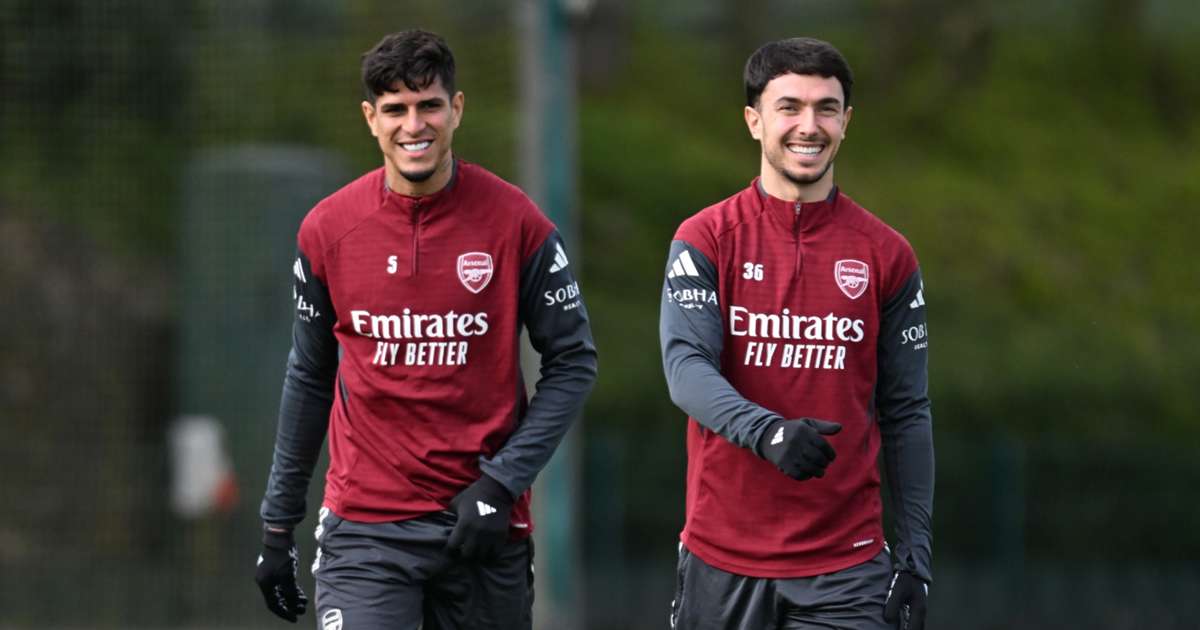
Arsenal have seen an unusually high number of players withdraw from international duty this month, prompting debate over whether the club is dealing with a genuine injury crisis or carefully managing player fitness during a decisive phase of the season.
Of the 228 Premier League players called up for international fixtures, 23 have withdrawn—11 of them from Arsenal. This concentration of absentees has drawn scrutiny, particularly given the club’s pursuit of silverware across multiple competitions.
The withdrawals began following Arsenal’s Carabao Cup final defeat to Manchester City, when William Saliba confirmed he would miss France duty due to an ankle injury. Defensive partner Gabriel Magalhães soon followed, withdrawing from Brazil’s squad with a knee issue.
Several other first-team players were also ruled out prior to international travel, including Eberechi Eze (calf), Martin Ødegaard (knee), Jurriën Timber (groin), and Leandro Trossard (hip), all of whom missed the Wembley fixture.
Further withdrawals occurred after players reported for national duty. England internationals Declan Rice and Bukayo Saka pulled out with minor issues, while Noni Madueke suffered a knee injury during international action. Additional absentees included Martín Zubimendi (knee) and Piero Hincapié (undisclosed).
The timing of these withdrawals coincides with a critical stretch of the campaign for Mikel Arteta’s side. Arsenal are currently leading the Premier League title race, holding a nine-point advantage over Manchester City with seven matches remaining, although they have played one game more.
In addition to domestic ambitions, Arsenal are preparing for a Champions League quarter-final clash against Sporting CP and an FA Cup quarter-final against Southampton, increasing the importance of maintaining squad fitness and depth.
England manager Thomas Tuchel acknowledged the external scepticism surrounding the withdrawals but expressed full confidence in the integrity of Rice and Saka. He confirmed both players had undergone medical assessments and were deemed unfit to participate, despite their desire to play.
“I understand the perception,” Tuchel stated, while emphasising that the risk of worsening injuries was too significant to ignore.
From a regulatory standpoint, FIFA requires players to honour international call-ups unless medically excused, with national teams permitted to conduct independent assessments. However, cooperation between clubs and federations often allows flexibility when managing minor injuries.
The broader debate reflects a longstanding tension in football. While some, such as Unai Emery, continue to emphasise the importance of international duty, others have historically taken a more critical stance. Former Manchester United manager Alex Ferguson once described international friendlies as “a waste of time,” highlighting the club-versus-country dilemma.
From an analytical perspective, Arsenal’s situation appears to be a combination of genuine physical concerns and calculated risk management. Many of the players who withdrew rank among the most heavily used in the squad this season, increasing the likelihood of fatigue-related issues.
Given previous setbacks during international breaks, Arteta is likely to support a cautious approach. Preserving the fitness of key players could prove decisive in the final stages of a season where margins are extremely tight.