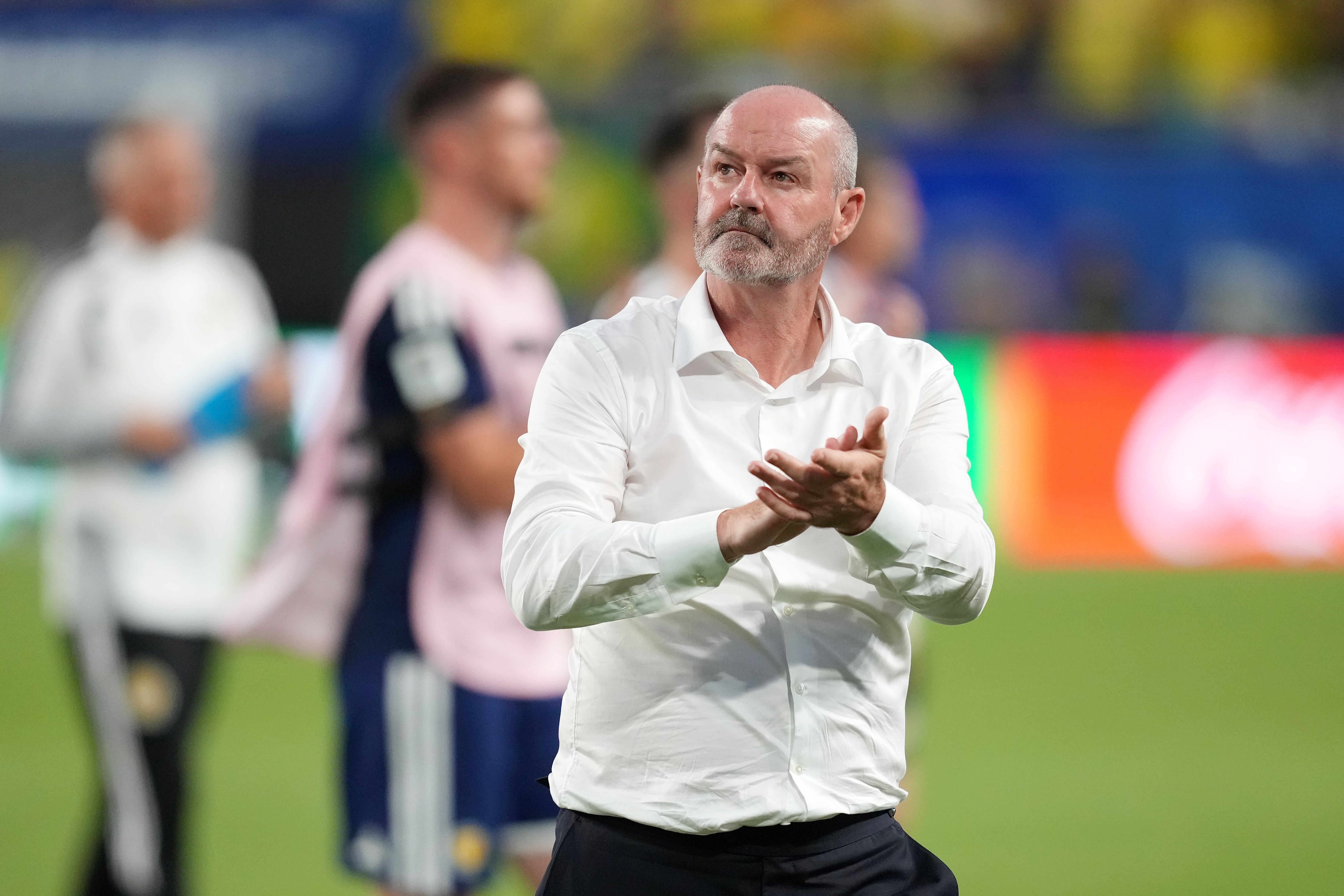
Scotland ended a 28-year wait to return to the FIFA World Cup under Steve Clarke, but their hopes of reaching the knockout stages now hang by a thread after finishing third in a challenging Group C.
Despite defeating Haiti to secure their first World Cup victory since 1990, losses to Brazil and Morocco have left Scotland relying on an unlikely combination of results elsewhere.
With only eight of the 12 third-placed teams progressing to the round of 32, Scotland's campaign appears destined for an early conclusion as other nations continue to collect enough points to advance.
The tournament has reignited debate over Clarke's leadership, despite the 62-year-old signing a four-year contract extension before the World Cup.
Scotland were handed one of the tournament's most difficult groups, with Brazil and Morocco ranked fifth and sixth in the FIFA world rankings.
Expectations were modest, with many predicting a third-place finish - and that is exactly how the group unfolded.
Former Scotland defender Willie Miller believes the performances fell below expectations.
"Across the three matches, Scotland never really reached the levels they showed in qualification," Miller said, pointing to November's impressive victory over Denmark as evidence of what the team is capable of.
He also highlighted the lack of a prolific striker as a significant weakness and questioned some of Clarke's team selections.
However, Miller defended the manager's overall record, praising him for restoring unity within the squad and guiding Scotland back to major tournaments.
Clarke is now Scotland's longest-serving manager, having overseen 81 matches, and continues to enjoy strong backing from the Scottish Football Association after qualifying the national team for three of the last four major tournaments.
Scotland's defeats to Morocco and Brazil were marked by early defensive mistakes that ultimately proved decisive.
Former striker James McFadden felt Scotland failed to reach their usual defensive standards and believed the team could have shown greater ambition against Morocco.
He also noted that controversial refereeing decisions - including penalty appeals and a potential red card - were beyond the control of Clarke and his players, while describing Scotland's display against Brazil as gifting opportunities to one of the world's strongest teams.
Pat Nevin offered a different perspective, suggesting Scotland may have been too adventurous.
Rather than accusing Clarke of being overly defensive, Nevin argued the manager attempted to attack with players such as Ben Gannon-Doak, John McGinn, Scott McTominay and Lawrence Shankland, but the team lacked the quality to leave themselves so exposed.
"I would have played with a back five in every game," Nevin said, adding that Scotland were punished whenever they tried to open up.
Despite the criticism, Nevin believes Clarke remains committed to the role and expects him to continue leading the national side through the next cycle.
Former Scotland defender Stephen O'Donnell insists the bigger picture should not be forgotten.
The Motherwell full-back believes simply qualifying for the World Cup after nearly three decades - and recording a long-awaited victory - represents significant progress for Scottish football.
"We were beaten by two of the best teams in the world," O'Donnell said.
"There's frustration with the goals we conceded, but no shame in losing to Brazil and Morocco."
He also pointed out that other third-placed teams benefited from less demanding groups, making direct comparisons difficult.
O'Donnell believes Scotland have built genuine momentum under Clarke and hopes the recent success inspires the next generation of players.
While acknowledging there will always be criticism over the team's style of play, he argued Clarke's achievements speak for themselves.
"Winning a World Cup game for the first time in 36 years is progress," he said.
"Qualifying for three major tournaments out of four is something Scottish football can be proud of."
Although Scotland's World Cup journey may soon come to an end, the debate over Steve Clarke's future is likely to continue.
For many, however, the wider progress made under his leadership outweighs the disappointment of another group-stage exit.