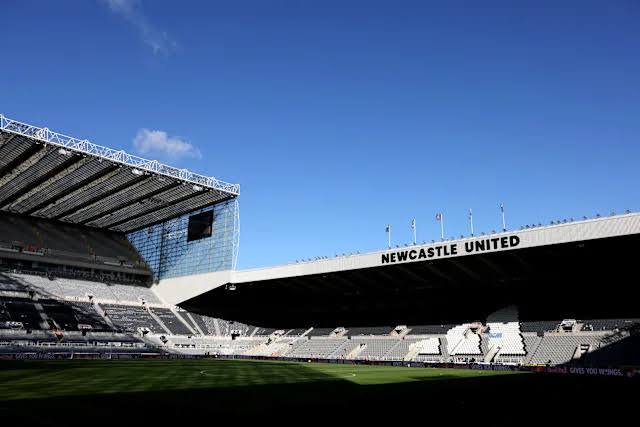
Newcastle United's ambition to become one of the world's leading football clubs by 2030 remains alive, but the road has proven far more challenging than many expected following the club's Saudi-backed takeover in 2021.
When Manchester City were acquired by the Abu Dhabi United Group in 2008, it took just three years, seven months and 21 days to win their first Premier League title. That rapid rise led many rival clubs to fear Newcastle would follow a similar trajectory.
Instead, the Magpies' progress has been steadier.
Under Eddie Howe, Newcastle ended a 70-year wait for a major domestic trophy by lifting the EFL Cup in 2025, while also qualifying for the UEFA Champions League in 2023 and 2025. However, football's financial landscape has changed significantly since Manchester City's rise.
Financial expert Kieran Maguire believes modern regulations, including the Premier League's Profit and Sustainability Rules (PSR) and the Squad Cost Ratio (SCR), make it much harder for ambitious clubs to close the gap on the established elite.
From the outset, Newcastle's ownership made its ambitions clear. Former co-owner Amanda Staveley declared the goal was to win the Premier League within a decade of the takeover.
That vision sparked concern across the Premier League, with rival clubs fearing Newcastle could rapidly inflate revenues through sponsorship agreements with Saudi-linked companies. Those concerns ultimately contributed to the introduction of the league's Associated Party Transaction (APT) rules in late 2021.
Despite restrictions, Newcastle's commercial growth has been significant.
The club's annual revenue has increased from £140 million in 2021 to £335.3 million in 2025, but the gap to England's biggest clubs remains substantial. Although Newcastle sit just two places behind Chelsea in the Premier League revenue rankings, the London club generated £155 million more in their latest financial accounts.
That financial advantage has helped Chelsea complete major deals, including their club-record £117 million signing of Morgan Rogers from Aston Villa.
As the fifth anniversary of the takeover approaches, Newcastle continue working toward long-term growth on and off the pitch.
Chairman Yasir Al-Rumayyan has repeatedly stated his ambition for Newcastle to become the world's number one club, while chief executive David Hopkinson wants the Magpies to be firmly in the conversation as one of global football's elite by 2030.
Major infrastructure projects are central to that vision.
Plans for a new state-of-the-art training ground near Newcastle Airport are expected to be announced, while the club is still evaluating whether to expand St James' Park or build an entirely new stadium to maximise future revenue.
Financial regulations have also forced Newcastle into difficult decisions in the transfer market.
After receiving limited returns from a net spend exceeding £100 million last summer, only defender Malick Thiaw has emerged as an undisputed success. A disappointing 12th-place finish last season, which saw Newcastle miss out on European qualification, further impacted the club's finances.
Following a breach of UEFA's financial sustainability regulations, Newcastle entered into a three-year settlement agreement with European football's governing body.
As a result, player sales became essential. Anthony Gordon joined Barcelona, while Sandro Tonali moved to Tottenham Hotspur, providing crucial funds for reinvestment.
Those departures followed the club's biggest loss in recent years, with Alexander Isak completing a £125 million transfer to Liverpool last summer.
Newcastle are also determined to keep captain Bruno Guimaraes, although uncertainty remains after the Brazilian hinted at a desire to join Arsenal.
Rather than targeting established stars, Newcastle have shifted towards investing in young talent with high potential.
This summer's arrivals — goalkeeper Ewen Jaouen, midfielder Sean Steur, and winger Bazoumana Toure — are all aged 20 or younger and have arrived from clubs across Europe.
While the trio are regarded as exciting long-term prospects, they are unlikely to provide an immediate solution as Newcastle continue their pursuit of domestic and European success.
The Magpies have laid important foundations since their 2021 takeover, but with financial regulations tightening and infrastructure projects still underway, their ambition of becoming one of the world's dominant clubs by 2030 remains a work in progress.