Several Premier League clubs have expressed concerns about potential political interference in Manchester City's appeal against their financial rule breaches, following controversial comments from Prime Minister Andy Burnham.
Senior figures at rival clubs were reportedly astonished by Burnham's remarks, which appeared to downplay the seriousness of the independent commission's verdict against Manchester City.
The controversy has raised fresh questions about political influence, the independence of football's disciplinary processes and the relationship between the UK government and City's Abu Dhabi-based ownership.
According to BBC Sport, senior officials at several Premier League clubs were shocked when Burnham expressed concern about the possibility of Manchester City's owners selling the club following the guilty verdict.
Some questioned the purpose of his intervention and warned that it could place the Independent Football Regulator in a difficult position.
One senior club source described the comments as "absolutely bizarre", suggesting they were either politically naive or potentially manipulative.
Another labelled the remarks "clumsy", while others expressed surprise that the prime minister had made such statements during an ongoing disciplinary process.
The concerns centre on whether political pressure could influence the outcome of City's appeal, particularly given the club's economic significance and its ownership's international connections.
Manchester City were found guilty of serious Premier League financial rule breaches following a 42-day independent commission hearing in 2024.
The verdict, announced last month, concluded that the club had breached financial regulations over an extended period.
Premier League chief executive Richard Masters said the findings demonstrated that City had systematically broken league rules for nearly a decade.
A separate hearing will determine the sanctions, while an independent appeal board will consider City's challenge to the verdict.
Manchester City continue to deny wrongdoing.
Despite the independence of the process, some clubs remain concerned about the wider political implications.
One senior club source acknowledged the importance of foreign investment in the UK but insisted that football's regulatory framework must remain protected from external influence.
Another source suggested that the intense scrutiny surrounding Burnham would make any direct interference extremely difficult.
Burnham's relationship with Manchester City's Abu Dhabi ownership has attracted renewed attention following the verdict.
During his nine years as mayor of Greater Manchester, from 2017 until earlier this year, Burnham supported investment from Gulf countries as part of the region's economic development strategy.
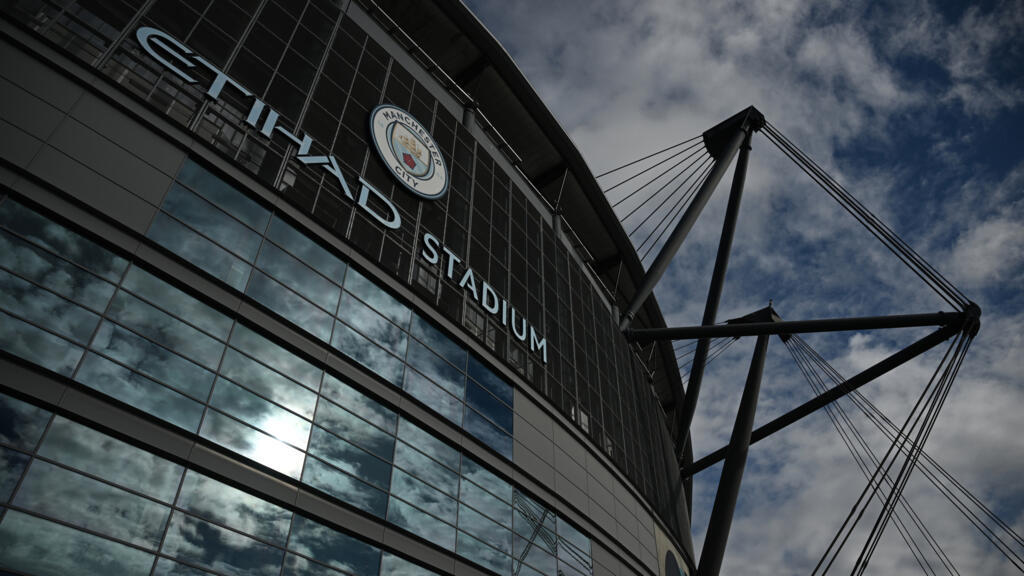
Manchester City's rise into a global football powerhouse coincided with significant investment in Manchester, including development around the Etihad Stadium.
The prime minister's comments have prompted Conservative leader Kemi Badenoch to demand that Downing Street disclose details of meetings between Burnham and senior Manchester City officials.
The issue also carries wider diplomatic significance, with the United Arab Emirates remaining an important UK trading partner and regional ally.
During an interview with BBC political editor Chris Mason, Burnham was asked whether Manchester City's financial controversy could damage the city's international reputation.
He drew comparisons with Everton's previous punishment for breaching Premier League financial regulations, reiterating his belief that the Merseyside club had been treated unfairly.
Everton initially received a 10-point deduction, subsequently reduced to six points following an appeal.
When questioned about the possibility of Manchester City's owners selling the club, Burnham expressed concern.
"I would be really concerned to lose them," he said.
He praised the ownership's contribution to transforming Manchester City into a global football force and highlighted its investment in the wider city.
Burnham also thanked City Football Group and the club's ownership for their financial commitment to the Etihad Stadium, surrounding infrastructure and Manchester's development.
Following criticism from rival clubs and political figures, Downing Street attempted to clarify Burnham's position.
A spokesperson stressed that the initial judgement against Manchester City was serious and that no club should be considered above football's regulations.
The government also emphasised that the independent disciplinary process must be allowed to conclude without interference and that its outcome should be respected.
However, the clarification generated further controversy after the statement initially suggested consequences should follow "if" wrongdoing was established.
The wording was subsequently amended to "wherever" following criticism.
The episode has reportedly created unease among some senior Labour figures, who fear Burnham's original comments have already influenced public perceptions of the case.
The Manchester City controversy extends beyond football because of the Premier League's importance to Britain's international reputation and economy.
Successive governments have regarded the competition as one of the UK's most valuable cultural exports, making its credibility a significant concern.
Manchester City's ownership also represents substantial investment from the UAE, adding diplomatic and economic sensitivities to an already contentious disciplinary case.
Burnham's personal connection to football further complicates the situation.
A lifelong Everton supporter and season ticket holder, he has regularly incorporated football into his political identity.
Before becoming prime minister, Burnham expressed hopes of continuing to attend Everton matches from his usual seat at Hill Dickinson Stadium, although security arrangements have prevented him from doing so.
He also recently raised the possibility of lifting restrictions on supporters drinking alcohol in football stadium stands, although officials subsequently clarified that the proposal was not government policy.
With Manchester City's sanctions hearing and appeal still pending, attention remains firmly focused on whether football's disciplinary authorities can operate without political pressure.
Although there is no established evidence of direct government interference, concerns among rival Premier League clubs underline the sensitivity surrounding the case.
For Manchester City, the appeal represents a crucial opportunity to challenge the findings against them.
For the Premier League, the outcome will be an important test of its financial regulations, governance and ability to maintain confidence in an independent disciplinary system.