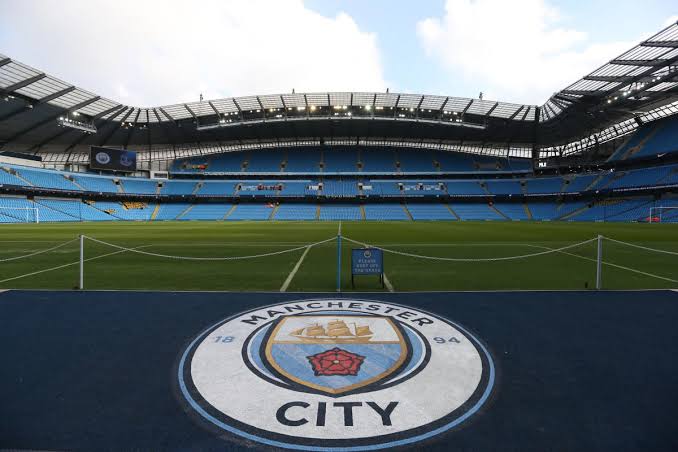
Manchester City's owners could be forced to sell the club if they are found to have operated improperly, with the chair of English football's Independent Football Regulator (IFR) insisting the watchdog has the authority to enforce such a decision.
Premier League leaders Manchester City are facing an uncertain future after an independent commission found the club guilty of more than 100 breaches of financial regulations between 2009 and 2018.
City have strongly denied any wrongdoing and launched an appeal against the verdict. However, the club could face significant sanctions if their attempt to overturn the decision proves unsuccessful.
Since Sheikh Mansour bin Zayed al-Nahyan, the United Arab Emirates' vice-president and deputy prime minister, acquired the club in 2008, Manchester City have established themselves as one of English football's dominant forces.
Speaking on The Rest is Football podcast, IFR chair David Kogan outlined the regulator's authority to intervene in club ownership matters.
"We have the power to ask an owner to step away from a club if we believe that they run a club in a way that is neither fit, fair or done with propriety," Kogan explained.
When asked whether an owner could refuse an order to sell, Kogan delivered a firm response.
"No. We've got absolute power to do so."
Kogan's comments come amid growing scrutiny over potential political involvement in Manchester City's ongoing legal battle.
The regulator's chair previously stated that he would resign if political interference influenced any IFR investigation into the Premier League champions.
British Prime Minister Andy Burnham has faced criticism after expressing concern about the possibility of City's Abu Dhabi-based owners withdrawing from the club following the guilty verdict.
Burnham initially said he would be "really concerned" if the ownership group decided to sell, prompting questions about whether political figures were attempting to influence the disciplinary process.
Downing Street subsequently clarified the government's position, insisting that nobody was "above the rules".
Burnham, who served as mayor of Greater Manchester between 2017 and June 2026, has since published details of his dealings with Manchester City's hierarchy in an effort to address concerns over transparency.
The case represents a significant challenge for English football's regulatory framework, with the outcome potentially carrying major consequences for Manchester City's ownership and sporting future.
It also creates a delicate diplomatic situation for the UK government, which must balance its longstanding relationship with the United Arab Emirates against the need to protect the independence of football's disciplinary and regulatory processes.
While Manchester City continue to contest the commission's findings, Kogan's comments underline the potential reach of the Independent Football Regulator and its willingness to intervene where club ownership standards are called into question.
The outcome of City's appeal remains crucial, with possible sanctions and wider questions surrounding the club's ownership continuing to dominate the debate over financial accountability in English football.

