Novemver 12
Calm appears to be gradually returning to Real Madrid, as the team, the organization, and the fans have managed to avert the specter of a new crisis—one whose consequences would have been difficult to bear, especially following two consecutive seasons without a single trophy.
Real Madrid is currently experiencing a shift in momentum, having secured eight consecutive victories across all competitions—a run that serves as the perfect remedy for the concerns that had surrounded the club of late.
However, positive results were not the only factor in restoring stability; certain administrative decisions also contributed to bringing a greater sense of calm and confidence in the future to the organization. Among these was the club’s decision last week to bring Spanish tennis legend Rafael Nadal into the fold of its ongoing project.
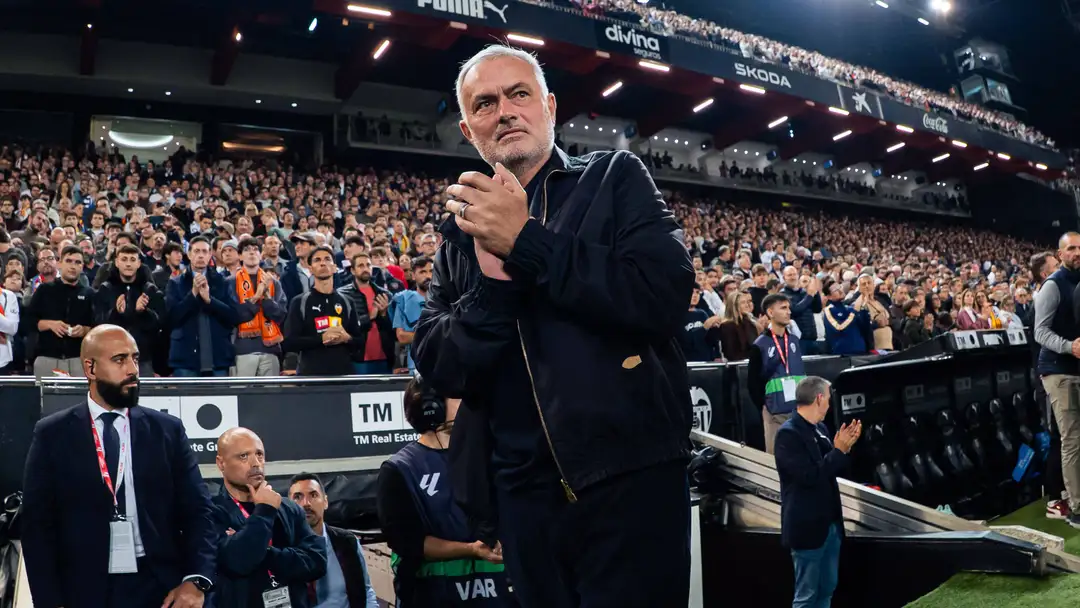
Just over a month ago—specifically following a defeat in the derby—the atmosphere was entirely different. At that time, José Mourinho appeared at a press conference visibly angry, warning that another difficult season could lie ahead for Real Madrid, following two years without any silverware.
"If they leave us alone, allow us some peace, and let us compete on equal terms, there is still a lot we can achieve," Mourinho remarked at the time—a clear allusion to his frustration regarding officiating decisions during the match.
The possibility of another failure for Real Madrid was a very real prospect, even if some of the blame for the crisis was attributed to tensions with the Spanish League (La Liga) and the officiating system. Ultimately, however, it was Mourinho’s own decisions—more so than the calls made by the referees—that played the decisive role in steering the team back toward stability. Mourinho’s Decisions Shift the Landscape
The Portuguese manager began implementing tactical changes that were long overdue. He stopped leaving players like Yan Diomandé or Bernardo Silva on the bench for extended periods, shifted Federico Valverde to a full-back position, and deployed Arda Güler in more advanced roles.
These decisions had a clear impact on the team’s structure and results—arriving at a critical moment when Real Madrid desperately needed genuine change to emerge from a state of disarray.
Mourinho’s task went beyond technical adjustments; over time, he succeeded in addressing various rifts within the dressing room—tensions that tended to flare up whenever results took a turn for the worse, some of which had already surfaced during the tenures of Xabi Alonso and Arbeloa.
The well-known altercation between Aurélien Tchouaméni and Federico Valverde was just one example of the underlying tension within the squad.
Furthermore, the strained relationship between Vinícius Júnior and Xabi Alonso highlighted the fragility of the dressing room—a situation that worsened during Arbeloa’s time in charge, particularly as Real Madrid’s competitive prospects faded. Kylian Mbappé was among the players who openly reflected the depth of the divisions within the team.
Mourinho Pulls Back from the Brink
The crises were not limited to the players; injuries—and the medical staff’s handling of them—also caused a stir within the club, most notably following the incident where Mbappé traveled to France to undergo medical examinations. Under these circumstances, Mourinho found himself teetering on the edge of a precipice, facing a fanbase at the Santiago Bernabéu that was no longer willing to tolerate any more setbacks. Poor results and lackluster performances only exacerbated the situation, with jeers from the stands becoming a recurring theme. Meanwhile, the controversy surrounding Mbappé’s trip to France—following an injury sustained while on international duty—reignited, forcing the manager to address the crisis during a press conference.
The situation involving Vinícius also drew Mourinho into the fray, though the manager managed to defuse tensions. The player received backing from Real Madrid, while the club simultaneously brought in Yan Diomandé, who quickly established himself in the squad and began challenging the Brazilian for his spot—at least until his return from injury.
More importantly, the prevailing sentiment is that the onus is now on Vinícius to set things right, rather than it being the manager’s responsibility to turn the situation around for him. Regardless of what decision Mourinho ultimately makes regarding the player, the most significant takeaway is that this issue is unlikely to cause major repercussions within the dressing room or threaten the club’s stability.
Calm in the Real Madrid Front Office
This sense of calm was not limited to the squad; it extended to Real Madrid’s management as well. The club’s leadership has stepped back from several conflicts that had previously generated constant noise around the team—though they have not abandoned all of their disputes entirely. Following a non-aggression pact that ended the conflict with UEFA—coinciding with the abandonment of the Super League project—Real Madrid’s management has also initiated steps to rejoin the European Club Association (ECA), currently chaired by Nasser Al-Khelaifi. This marks a significant shift, given that the two sides were previously in open confrontation, compounded by a strained relationship with UEFA president Aleksander Čeferin.
These developments have helped restore a degree of normalcy to Real Madrid’s relations with both institutions.
Furthermore, the call for presidential elections—announced by Florentino Pérez during a controversial press conference—has taken on a different significance over time. While it initially served as an additional source of instability, the subsequent calming of the situation has granted the club ample time to shape its new strategic vision, at least through 2030.
Meanwhile, the potential sale of a 5% to 10% stake in the club to external investors remains a key pending matter, with the focus now on whether or not Pérez will ultimately move forward with the proposal. Such a move would require an amendment to the club’s statutes; however, as it does not appear on the agenda for the General Assembly scheduled for November 21, the issue remains shelved for the time being.
Conversely, the General Assembly is expected to approve the appointment of Rafael Nadal to the Real Madrid Board of Directors. This move provides an additional boost to the current project and reinforces its long-term viability, while also—albeit prematurely—sparking speculation regarding potential future leadership succession.
Although it is still too early to draw definitive conclusions about Nadal’s future role within the club’s administration, his inclusion...

